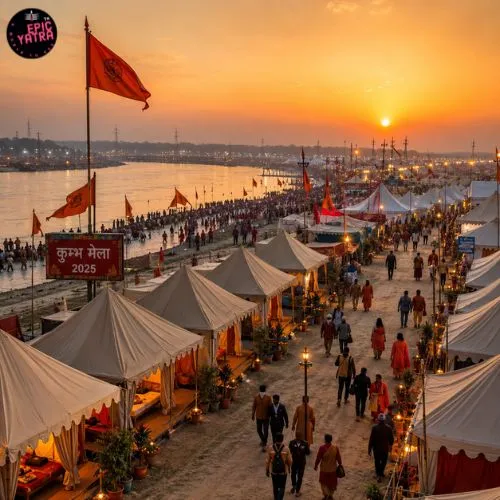
Best Places to Stay During Kumbh Mela
Finding a good place to rest matters more than most people expect at Kumbh Mela. After a full day of walking, crowds, and rituals, your stay is what turns exhaustion into a peaceful night's sleep before the next holy dip.
The good news: options today range from simple riverside stays to fully furnished luxury setups. This guide walks through the best places to stay during Kumbh Mela, so you can pick what actually fits your comfort level and budget.
Why Your Stay Choice Matters So Much
Kumbh Mela isn't like a regular trip where you can just wing it and figure out accommodation on arrival.
- Millions of people converge on one city over a few weeks, and rooms fill up fast.
- Prices near the main ghats can triple or quadruple during peak bathing days.
- Distance from the venue directly affects how much energy you'll have left for the actual pilgrimage.
- Poor planning here often means long, tiring commutes on the days you most need to be rested.
Booking early and exploring Kumbh travel options can make your journey smoother, more comfortable, and stress-free.
Types of Stay Options at Kumbh Mela
1. Dharamshalas and Ashrams
These are the traditional choice for pilgrims and remain hugely popular.
- Run by religious trusts, akharas, or local organisations.
- Very affordable, sometimes even free with a small donation.
- Basic amenities — shared bathrooms, simple bedding, communal halls.
- Deeply spiritual atmosphere, often close to the main rituals and satsangs.
- Best suited for solo travellers or those prioritising simplicity over comfort.
2. Tent Cities
A tent is practically the symbol of the Kumbh Mela experience, and for good reason.
- Entire temporary cities of tents spring up along the riverbanks for the duration of the mela.
- However, options range from basic dormitory-style canvas stay to premium tents with proper beds, electricity, and attached washrooms.
- A well-organised camp often includes meals, security, and easy access to the main bathing areas.
- Some premium camps even offer heating for cold mornings and comfortable furnishings that rival a hotel room.
- Staying in a tent puts you right in the middle of the energy — the chants, the bonfires, the sense of community.
Tips for booking a tent:
- Confirm whether the tent has an attached washroom or shared facilities.
- Ask about flooring and bedding when choosing comfortable stay options — some budget tents only offer mats on the ground.
- Check the camp's actual distance from the ghats, since "riverside" is sometimes used loosely in listings.
- Look for camps with round-the-clock staff for safety, especially if travelling with family.
3. Luxury Camps
For travellers who want the spiritual experience without giving up creature comforts, this has become one of the fastest-growing categories.
- Cottage-style or Swiss tents with proper beds, private bathrooms, and sometimes air conditioning or heating.
- Often includes daily housekeeping, in-camp dining, and guided access to rituals.
- Some properties add yoga sessions, cultural performances, or bonfire evenings in the package.
- Pricier than standard options, but a strong choice for couples, families, or older pilgrims who still want to be close to the action.
4. Hotels Near the Venue
If you'd rather have four walls and a proper bed, hotels are still an option — with some caveats.
- Rooms close to the main venue book out months in advance and get expensive fast.
- Hotels further from the ghats offer better rates but mean a longer commute during peak crowd days.
- Good for travellers who need reliable amenities like consistent hot water, Wi-Fi, or in-room dining.
- Ideal if you're combining the pilgrimage with other sightseeing in the region.
5. Homestays in Nearby Towns
An underrated option for a quieter, more grounded experience.
- Local families often open up rooms during the mela season.
- Offers a more authentic, personal experience with home-cooked meals.
- Usually more affordable than hotels, with a shorter commute than staying far outside the city.
- A good middle ground between budget and comfort.
How to Choose the Right Accommodation
Every pilgrim's priorities are different, so here's a simple way to narrow it down.
- Travelling solo and on a budget? A dharamshala or basic tent works well.
- Want the classic Kumbh atmosphere with some comfort? A mid-range tent with attached facilities is the sweet spot.
- If you’re travelling with older parents or young kids, prioritise a premium camp or hotel with easy access, proper bedding, and nearby medical support.
- Short on time and want everything handled? Look into an organised Kumbh Mela package that bundles your stay with transport and guided rituals — it saves enormous amounts of planning stress.
- Want a quieter, slower pace? Consider a homestay or hotel a little further from the core crowd.
Booking Tips That Actually Save You Trouble
Book at least 2–3 months in advance. Good camps and rooms near the ghats disappear quickly once dates are announced.
- First, read the fine print on inclusions. Additionally, some tent and camp bookings include meals and guided darshans; however, others charge separately for every extra.
- Ask about proximity honestly. Request exact walking distance or shuttle time to the main bathing ghats, not just a general area name.
- Check cancellation policies. Weather, health issues, or crowd advisories can change plans quickly during the mela.
- Confirm safety and security arrangements, especially for tents — look for camps with fencing, staff on-site, and clear emergency protocols.
- Pack for basic conditions regardless of your stay type. Even premium camps can have unpredictable water pressure or occasional power fluctuations during the busiest days.
What a Good Camp or Tent Experience Looks Like
If you decide to go the tent route — which many first-timers love for its authenticity — here's what a well-run camp typically offers:
- Clean, weather-appropriate tents with proper flooring
- Attached or nearby clean washrooms
- Fresh, satvik vegetarian meals included in the stay
- A short, manageable walk to the main ghats
- On-ground guides or coordinators for rituals and crowd navigation
- Basic medical support or a first-aid setup nearby
A good camp strikes a balance: close enough to feel the spiritual pulse of the mela and comfortable enough that you actually rest.
Final Thoughts
Where you stay during Kumbh Mela shapes the entire rhythm of your trip. For example, it affects how rested you feel each morning, how easily you reach the ghats, and how much energy you have left for the moments that matter most. Therefore, whether you choose a humble dharamshala, a classic riverside tent, a luxury camp, or a full-service package that handles everything for you, the right choice ultimately depends on your comfort needs and how much you prefer to plan yourself rather than have everything arranged for you.
Book early and ask the right questions. As a result, you'll spend far less time worrying about logistics and far more time soaking in one of the most extraordinary gatherings on Earth.
FAQs
1. What's the best stay option for first-timers?
A. A mid-range tent with an attached washroom — comfortable and close to the action.
2. How early should I book?
A. At least 2–3 months in advance, especially for peak bathing dates.
3. Are tents safe for families?
A. Yes, premium camps with proper beds, security, and on-site staff work well.
4. What does a Kumbh Mela package usually include?
A. Stay, transport, meals, and guided access to rituals and bathing ghats.
5. Ghats or a nearby town — which is better?
A. Ghats save commute time but cost more; nearby towns are cheaper and quieter. Embark on unforgettable spiritual journeys with Epic Yatra.