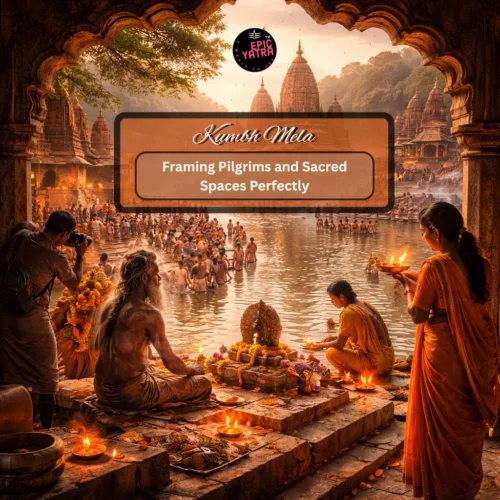
Framing Pilgrims and Sacred Spaces Perfectly
Framing pilgrims' sacred spaces while photographing holy sites and faithful devotees calls for patience, sound judgement, and a profound sense of the spiritual atmosphere. The photographer must watch silently, comprehending rituals, gestures, and emotions before raising a camera. Every frame needs to reflect a proper balance between human activity, architectural grace, and ceremonious moments—respect should be given to the followers who come here as well as the sanctity of a religious space. Sunlight, angles, and timing are essential in capturing devotion and tranquillity without interrupting the natural aesthetic.
Close-ups of offerings, hands, or ritual objects can serve as a way to tell intimate stories, providing depth and emotional context. At the end of the day, that’s what sacred photography is—creating meaningful, respectful images that inspire faith and connection, much like well-planned spiritual travel options that help people feel deeply connected to both the place and its people.
How to Watch Just Before the Camera Rises
Watching will give you an insight into the rhythm of the rituals and the pilgrims' emotions.
Emotions, Gestures, and Devotional Intention Reading
- There are subtle gestures like folded hands, unblinking eyes, or a mellow trance that speak volumes. Moreover, these nuances reflect true piety and reveal the inner wishes of pilgrims’ hearts.
Holding Out for Real Faces Over Posed Portraits
- “If they’re posed, then people stage their reactions. The most genuine moments occur when people don’t know what to do and are acting truly naturally on a wedding day. As far as emotion and devotion go—as in, without any artificial influence or direction.
Selecting Angles which Respect the Holy Auras
Choose views that respect the sacredness of the area but offer clear images.
Fire without interrupting ritual or movement
- Make sure to not hinder the ceremonies or pilgrims by standing at a distance and provide space for the sanctity and flow of what is happening to take precedence over photography.
Maintaining Distance While Capturing Intimacy
- Utilise your camera’s zoom or change positions to take up-close and personal shots of pilgrims without intruding on their patient reflection in these sacred areas.
Shining a 'Let There Be Light' on Spiritual Depth
The atmosphere of the temples, rivers, and prayer spaces can be seen beautifully in sunlight.
Appreciating Natural Light in Temples and Rivers
- See sunlight hitting decorative idols, temple stairs, and devotees that all come together for stark images full of drama and realism that deliver a true spiritual sensory feeling.
Preventing those Ugly Shadows When Ritual is at its Height
- Take pictures in private time, soften the strong shadow, and make a softer effect. Make lines easier to see and clearer; capture a good feeling.
Balancing Human Presence With Sacred Architecture
Combine pilgrims with buildings to give a sense of scale and a spiritual atmosphere.
When a Frame Needs People—and When It Doesn’t
- Sometimes it’s the void through which the architecture is made manifest, while at other times it’s people who make architecture alive—activated and meaningful.
Allowing Structures to Lead the Viewer’s Eye
- Employ architectural elements such as lines, arches, and temple features to lead the viewer’s eye organically, creating focus and adding strength to my compositions without competing with the action below. Book budget-friendly Nashik Kumbh Mela trips to explore these sacred spaces and capture the spiritual essence firsthand.
Crowd Control Without Visual Chaos
Crowded areas can be gracefully composed provided one has the patience and timing to do so.
Clean Frames in Crowded Pilgrimage Sites
- Just wait and bide your time and let natural openings present themselves, or concentrate on singling people out from a crowd to nail down good, clean shots.
Snapping Shots Between Movements and When They Get Together
- Shoot rituals in their breaks so that you do not get overfilled, hectic frames, and every click looks devoted and spiritual with respect to its divinity.
Telling a Small Sacred Story Through Small Sacred Things
Close-in views of offerings, hands, or ritual objects express intimacy and devotion.
Hands, Offerings, and Symbols
- Prayer beads, flickering lamps, and folded hands: small details evoke devotion and emotion. Telling intimate stories of faith and spiritual connection in every frame.
Why Close-Up Cutaways Provide Emotional Context
- They enable the audience to experience a personal relationship with the scene. Bringing home the devotion, emotion, and sanctification of the spiritual act in an immediate and powerful manner.
Ethical Considerations While Photographing Pilgrims
Continually put respect, consent, and cultural awareness first.
Privacy in times of devotional or meditative life.
- Don’t shoot private prayers or intimate moments without permission. This may be an infringement of privacy—and it disrespects a person’s deep personal spiritual experience.
When Not to Take a Picture
- There are times when not seeing a photo keeps the holiness of that moment sacred and honored. The spiritual nature surrounding those participating.
Syncing Up to Observe the Entire Duration
Attention and patience are essential in sacred photography.
Being Patient Without Losing Out on Big Opportunities
- Relax into the hunt and get ready. Good things come to those who wait, so patience reveals a great shot.
Dealing With Fatigue While Staying Creatively Sharp
- Take regular breaks, drink water to stay hydrated, and return refreshed so you can stay focused, attentive, and creatively sharp. Choosing tent and hotel stay options. Also helps you rest well and stay energised while observing or photographing for long periods.
FAQs
Q1. Am I allowed to take pictures of all ceremonies?
A. Some ceremonies might have been restricted. So always check on local rules and say "behaviour" before shooting or joining to respect traditions.
Q2. Should I get permission to photograph pilgrims?
A. Learn to ask permission before photographing pilgrims, as you also need to respect the privacy and sometimes cultural/religious values.
Q3. Which lenses work best?
A. Using a zoom lens will help you frame intimate moments from afar, so you shoot the scene naturally without encroaching on the pilgrims or sacred ceremonies.
Q4. Does the light fall better in the early morning?
A. Soft sunlight makes even textures and details look great, and natural colour highlights details and makes your photos of holy places and pilgrims look warm, vivid, and visually eye-catching.
Q5. How do I avoid crowded shots?
A. Be patient; wait for holes in the crowd to open up so you can shoot, or find an elevated position above the crowds to capture a moment without interfering with it.
Conclusion
Firstly, framing pilgrims’ sacred spaces calls for patience, respect, and artistry. Moreover, by quietly observing rituals and understanding their flow, photographers can capture authentic moments without disturbing the sanctity of the place. Moreover, correctly harnessing natural light, well-judged composition, and attention to details such as gestures, offerings, or architecture contribute to the sacred character of the scene.
Additionally, all elements should capture devotion, culture, and human emotion to form a reciprocal visual bond between the spectator and the sacred. Finally, thanks to this sensitivity, the pilgrim's dignity and privacy are assured. Turning every trip into a memorable pilgrimage of a lifetime with an epic yatra.