

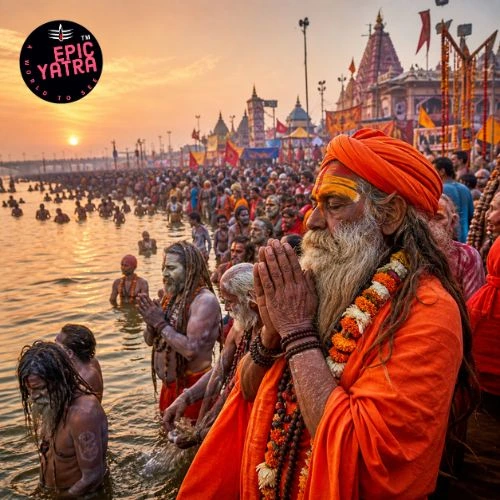
Kumbh Mela Cultural Photography is the best way to capture the beauty of this grand event in India. The Kumbh Mela is a big event where many saints and visitors come to take holy baths in the rivers and pray for blessings. It is not only a sacred event but also a beautiful cultural festival full of faith, colours, prayers, and deep emotions.
People come to the events from different places in the country. Many yatris look for Kumbh packages to make their trip soft and calm. These packages mainly include travel, food, and hotel options like tents and camps.
The beauty of Kumbh Mela is seen everywhere. The sound of prayers, bells, and bhajans feels calm. Watching people take a dip feels happy.
People trust that bathing in the pure river during Kumbh Mela helps wash away crime and brings spiritual peace. This faith brings millions of people together.
The beauty of the festival includes the following:
This spiritual environment makes photography very special because every picture tells a story of faith.
Photos at Kumbh look best at the right time. Morning is perfect for taking pictures. Evening is best for photos.
At sunrise, the river looks golden. People can take photos of crowds and prayers.
Best times for photos in Kumbh:
Yatris booking Nashik Kumbh Mela accommodation or Haridwar Kumbh Mela accommodations near the ghats can easily reach these moments on time.
The Kumbh Mela has many holy rituals and old traditions. These show people’s strong faith and India’s rich spiritual history.
The main prayer is a bath called 'Shahi Snan'. People wake up early and go to the river. The priest performs the puja. Families offer flowers and diyas.
Some common traditions are the following:
These moments are beautiful for photography because they show real emotion and devotion.
Saints and sadhus are one of the most interesting parts of the Kumbh Mela. They come from different akharas and spiritual groups. In fact, some live simple lives in the Himalayas during this special festival, they come together to take part in the celebrations. As a result, their presence adds deep spiritual meaning and attraction to the event.
Naga sadhus are especially famous because of their unique appearance. They wear ash on their bodies and follow strict spiritual practices.
Photographing saints requires respect and permission. Moreover, their expressions, clothing, and peaceful presence create powerful pictures.
The festival feels more fun with a colourful parade. In fact, these rallies have decorated elephants and horses, along with flags and drums. Moreover, many saints walk together in large groups.
The royal entry of Akharas during Shahi Snan is a big attraction. Many people come to watch, and photographers take beautiful pictures.
Highlights of processions include:
These scenes bring life and energy to every photograph.
The ghats look silent, and the river shines softly, while prayers quietly fill the air.
In the morning, visitors gather in large crowds for sacred baths and yoga. Similarly, they take part in peaceful spiritual activities along the riverbanks. In contrast, in the evening, the Ganga Aarti creates a magical view, as lamps gently float on the water and light up the surroundings.
Beautiful views to capture:People who choose camp booking near the ghats often enjoy these beautiful scenes every day.
Every yatri at the Kumbh Mela has a private story. In fact, many travel for days with their families, while others come alone in search of silence and prayer. Moreover, their journey shows deep trust, patience, and devotion.
Many old people save money for years to attend the festival once in their lifetime. In fact, some people even walk long distances to visit the place.
Photography of devotees captures:These simple human moments often become the most touching photographs.
Photography at Kumbh Mela must always be done with respect. It is a religious festival, not just a tourist place. People come here for faith and prayer, so photographers should behave carefully. Visitors staying in nearby comfortable stay options like tents and camps can also experience the event more peacefully and stay closer to the main areas.
Useful tips for respectful photography:
Good photography is not only about a beautiful picture but also about respecting the culture and people.
Many places at Kumbh Mela are good for photography because they show both sacred and cultural beauty.
Places for photography spots include:
Moreover, people who book a Haridwar Yatra package often stay near Har Ki Pauri for great photos. It is a popular spot with beautiful views of the Ganga. In Nashik, Ramkund is also a great place to take memorable pictures.
In addition, choosing proper camp booking or nearby accommodations helps visitors save time and enjoy better access to these locations.
Photos help people remember the Kumbh Mela forever. Also, a picture can show prayers, peace, devotion, and family moments.
Many visitors choose Kumbh Mela packages because they want a comfortable and organised trip where they can focus on spiritual experiences and beautiful memories.
Simple ways to save memories:
In addition, memories from Kumbh Mela are not just travel memories—they become life memories.
Kumbh Mela is more than just a prayer event. In fact, it is a beautiful mix of culture, trust, photography, and religious peace. Moreover, from pure baths and saints to colourful rallies and silent sunsets, every moment feels meaningful. As a result, the entire atmosphere becomes deeply spiritual and visually rich.
If someone chooses a travel plan for Nashik or Haridwar, proper planning makes the journey smooth and comfortable. Options like tent stays, camp facilities, and good lodging arrangements help pilgrims enjoy the festival without worry. A Nashik pilgrimage travel plan offers a well-organised experience with easy access to important ghats and rituals. Along with this, Kumbh Mela cultural photography makes the trip even more special by letting visitors capture sacred moments, spiritual traditions, and the vibrant beauty of the festival.
Photography helps people keep beautiful memories always. In fact, every photo at Kumbh Mela shows a story of trust, tradition, and India’s rich religious culture. Moreover, these images capture the deep emotions, faith, and spiritual energy of the event. As a result, they help people relive the experience and understand its cultural importance in a better way.
A. Kumbh Mela has pure rituals, colourful walks, saints, and also beautiful rivers, which makes it a great place for a snapshot.
A. Before morning sunrise and in the evening at Ganga Aarti is the best times for the best photos.
A. Yes, many visitors choose tent stays because they are comfortable and close to the main festival areas.
A. Yes, advance camp booking is helpful because places fill quickly during the festival season.
A. The main ghat, sadhu camps, riverbanks, Ganga Aarti areas, and also temples are the best places for photography. Moreover, explore unforgettable spiritual journeys with Epic Yatra.