

If there’s one journey in India that blends faith, adventure, and breathtaking Himalayan beauty, it’s the Chardham Yatra. Covering four sacred shrines—Yamunotri, Gangotri, Kedarnath, and Badrinath—this pilgrimage isn’t just about ticking destinations off a list. It’s about transformation.
You don’t just travel through mountains here—you travel within yourself.
The Chardham Yatra is believed to cleanse sins and open the gates to salvation. Each dham represents a divine force—Yamuna (purity), Ganga (liberation), Shiva (destruction of evil), and Vishnu (preservation).
Here’s the truth: the journey between the temples is just as powerful. Along the route, you’ll find ancient shrines, mythological sites, and hidden gems that most pilgrims rush past. Let’s slow down and explore them.
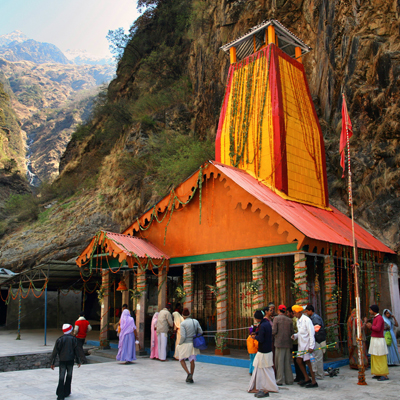


The sacred Yamunotri Temple marks the starting point of the Chardham Yatra. Dedicated to Goddess Yamuna, this temple stands tall at 3,293 meters above sea level.
Reaching here requires a 6 km trek from Janki Chatti. Tough? Yes. Worth it? Absolutely.
Near the temple lies Surya Kund, a hot water spring where pilgrims cook rice as prasad. Close by is Divya Shila, a sacred rock worshipped before entering the main shrine.
Pilgrims dip in the hot springs, offer prayers, and begin their spiritual cleanse. It’s like pressing the reset button on your soul.
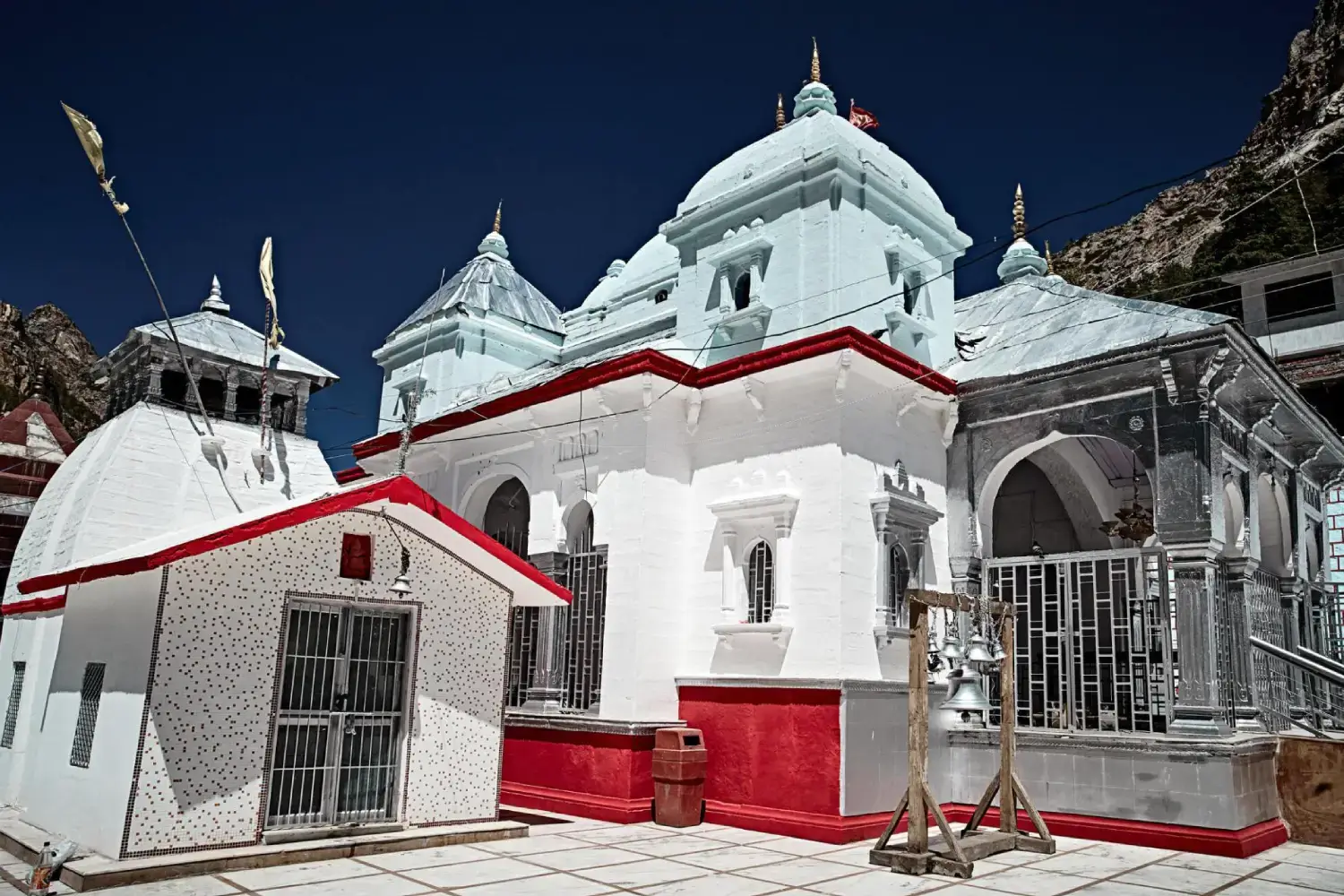
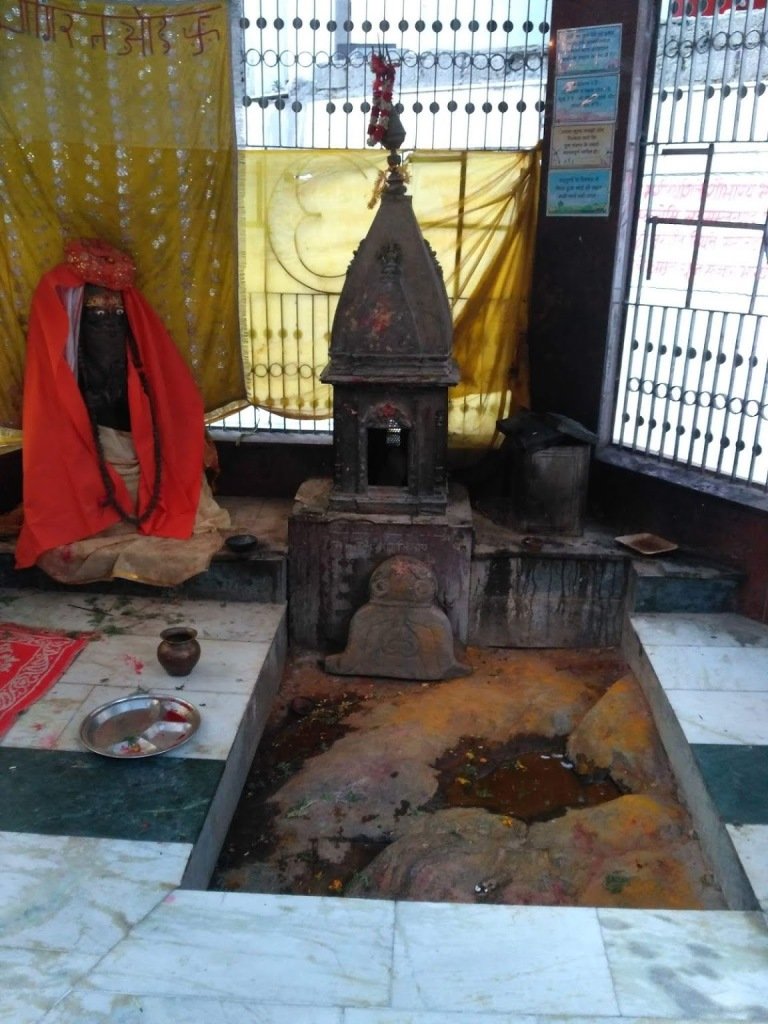 Gangotri Temple
The majestic Gangotri Temple stands on the banks of the Bhagirathi River. It is here that Goddess Ganga is believed to have descended to Earth.
The sound of the river crashing against rocks feels like nature chanting mantras.
This sacred stone marks the spot where King Bhagirath meditated to bring Ganga to Earth. Stand here for a moment—you’ll feel the weight of centuries.
During winter, when water levels drop, a natural Shivling appears in the river. It symbolises the place where Lord Shiva held Ganga in his locks.
 Kedarnath Temple
The powerful Kedarnath Temple is one of the twelve Jyotirlingas of Lord Shiva. Surrounded by snow-capped peaks, it feels like heaven paused in the Himalayas.
The 16–18 km trek from Gaurikund tests your endurance. But when you finally see the temple, something shifts inside you.
A short uphill walk takes you to Bhairavnath Temple. It is believed that Bhairav protects Kedarnath during winter when the main shrine closes.
Kedarnath is the most prominent among the Panch Kedar temples. Visiting the others deepens your spiritual experience.
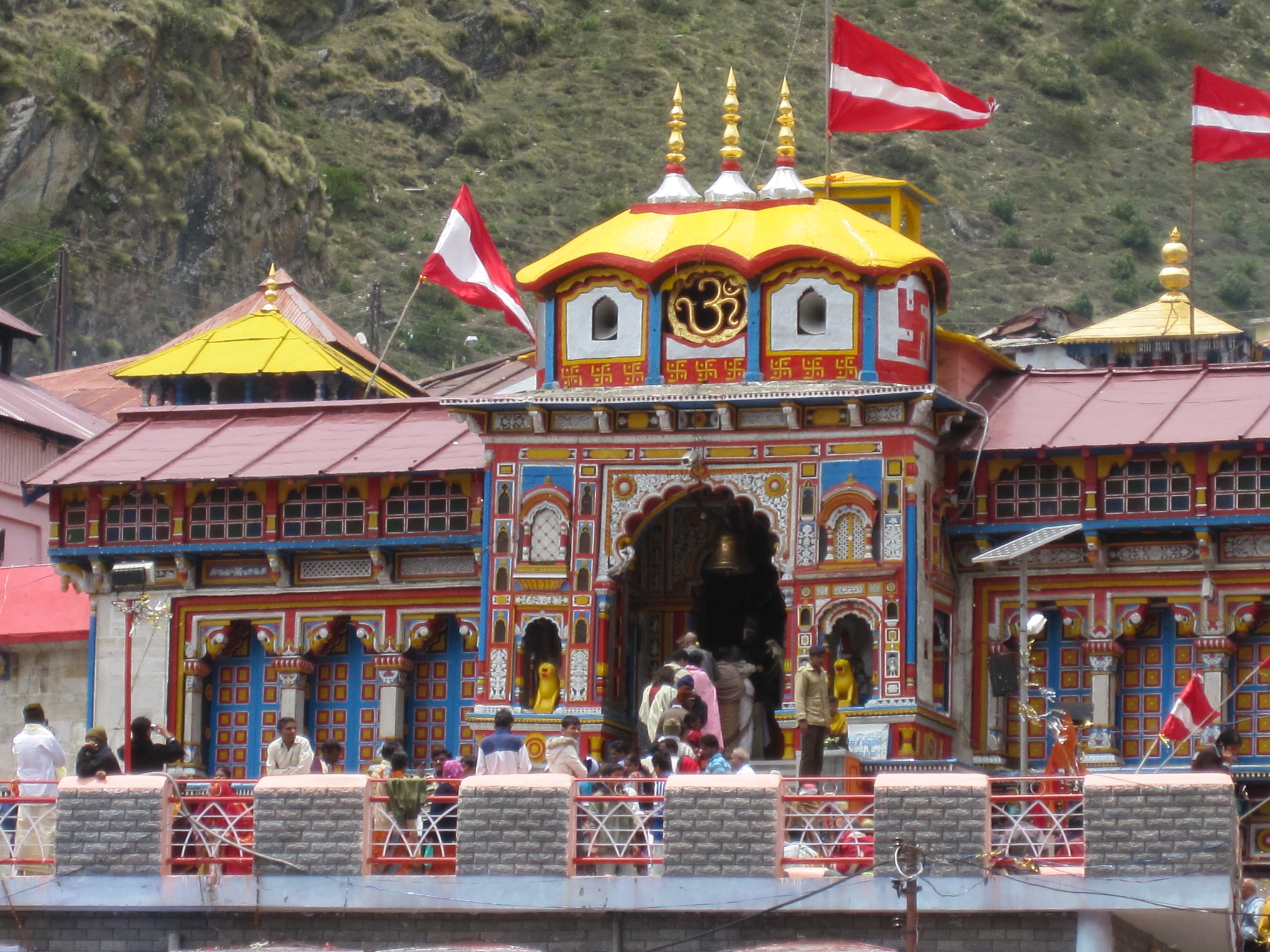
The vibrant Badrinath Temple sits along the Alaknanda River. Dedicated to Lord Vishnu, it completes the sacred circuit.
Unlike Kedarnath’s rugged intensity, Badrinath feels welcoming—almost royal.
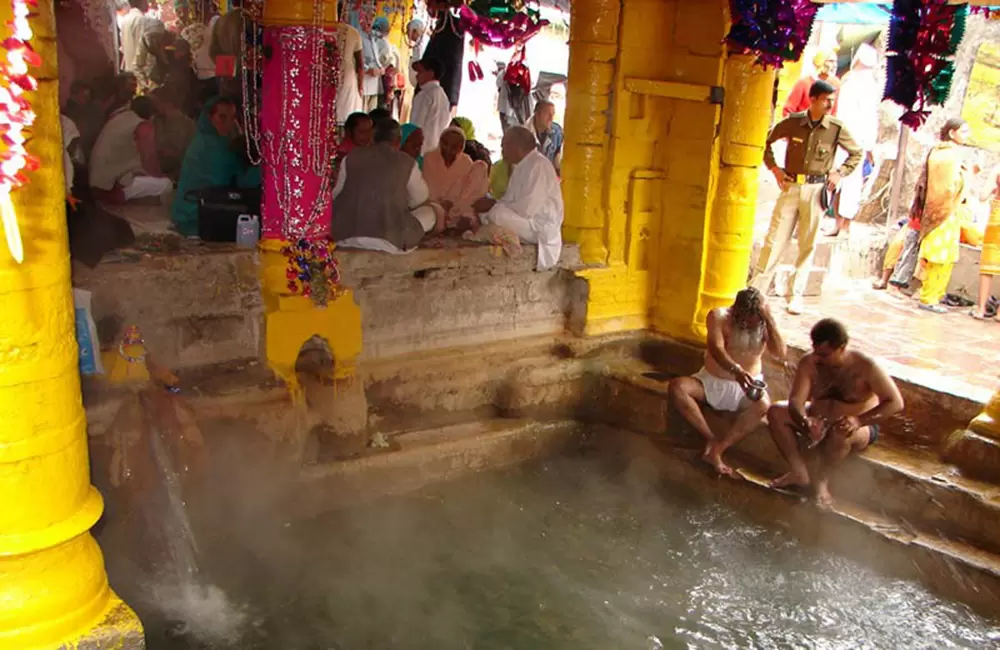
Pilgrims bathe in Tapt Kund before entering the temple. The warm water amidst freezing weather? A miracle of nature.
A short trek leads to a rock believed to bear Lord Vishnu’s footprints. The climb is steep but spiritually rewarding.
Perched atop Bilwa Parvat, Mansa Devi Temple fulfills devotees’ wishes.
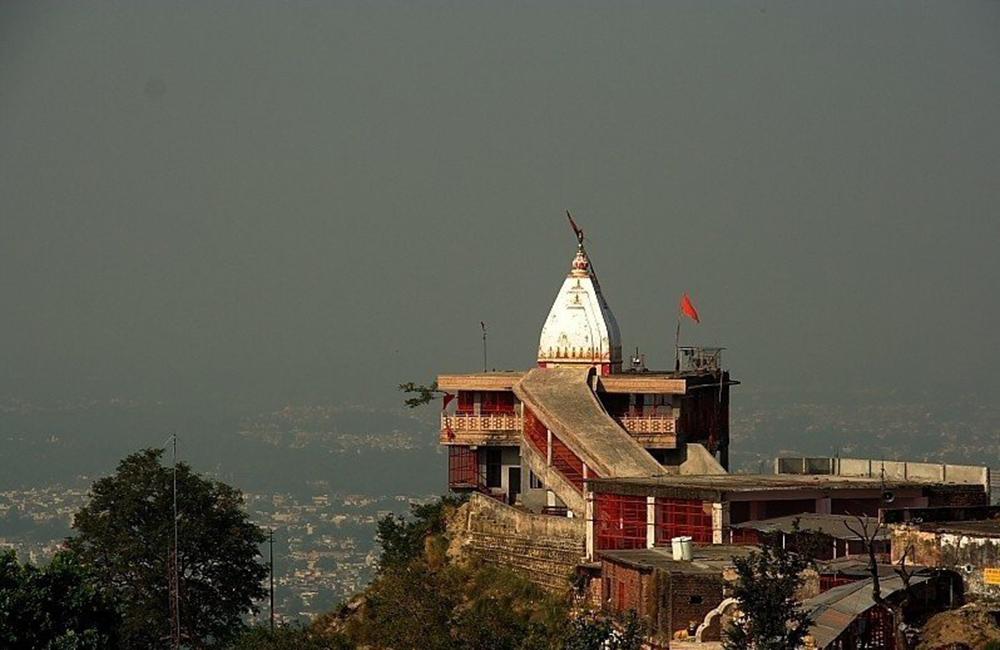
Located on Neel Parvat, Chandi Devi Temple is another powerful Shakti Peeth.
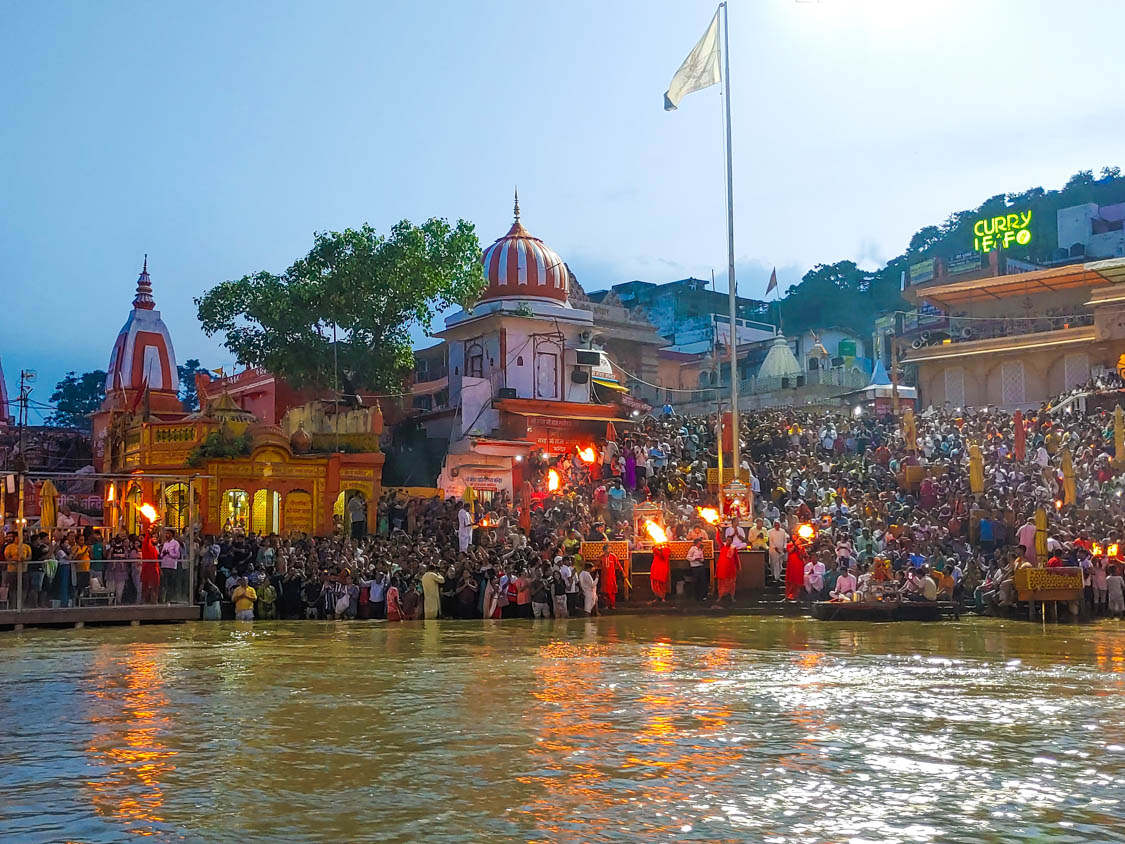
The evening Ganga Aarti at Har Ki Pauri is pure magic. Hundreds of diyas floating on water—it’s faith in motion.


About 32 km from Rishikesh lies Neelkanth Mahadev Temple, where Shiva consumed poison during Samudra Manthan.
The ancient Bharat Mandir dates back to the 12th century and is dedicated to Lord Vishnu.
Triyuginarayan Temple is believed to be the wedding site of Shiva and Parvati. The eternal flame here has been burning for centuries.
Part of the Panch Kedar, Kalpeshwar Temple is unique because it remains open between April/May and closes around October/November. Summer is ideal. Monsoon? Risky due to landslides.
Always check official announcements before planning your trip.
Dress modestly. Respect rituals. Photography may be restricted inside sanctums.
Stay hydrated. Acclimatise properly. If you have breathing issues, consult your doctor before visiting high-altitude shrines like Kedarnath.
The Chardham Yatra isn’t just a pilgrimage. It’s a journey through myth, mountains, and the depths of your own faith. While the four dhams form the backbone of the route, the temples along the way are the heartbeat.
So when you plan your Chardham Yatra from Delhi, don’t rush. Pause. Explore. Absorb.
Because sometimes, the real blessings lie in the stops you didn’t expect.
Typically 9–12 days, depending on travel mode and weather.
2. Is registration mandatory for Chardham Yatra?Yes, government registration is required for all pilgrims.
3. Which is the toughest temple to reach?Kedarnath involves the longest and most challenging trek.
4. Can older citizens do Chardham Yatra by helicopter?Yes, with medical fitness and proper planning. Helicopter chardham yatra options are also available.
5. What is the ideal month for Chardham Yatra?May–June and September are considered the best months.