

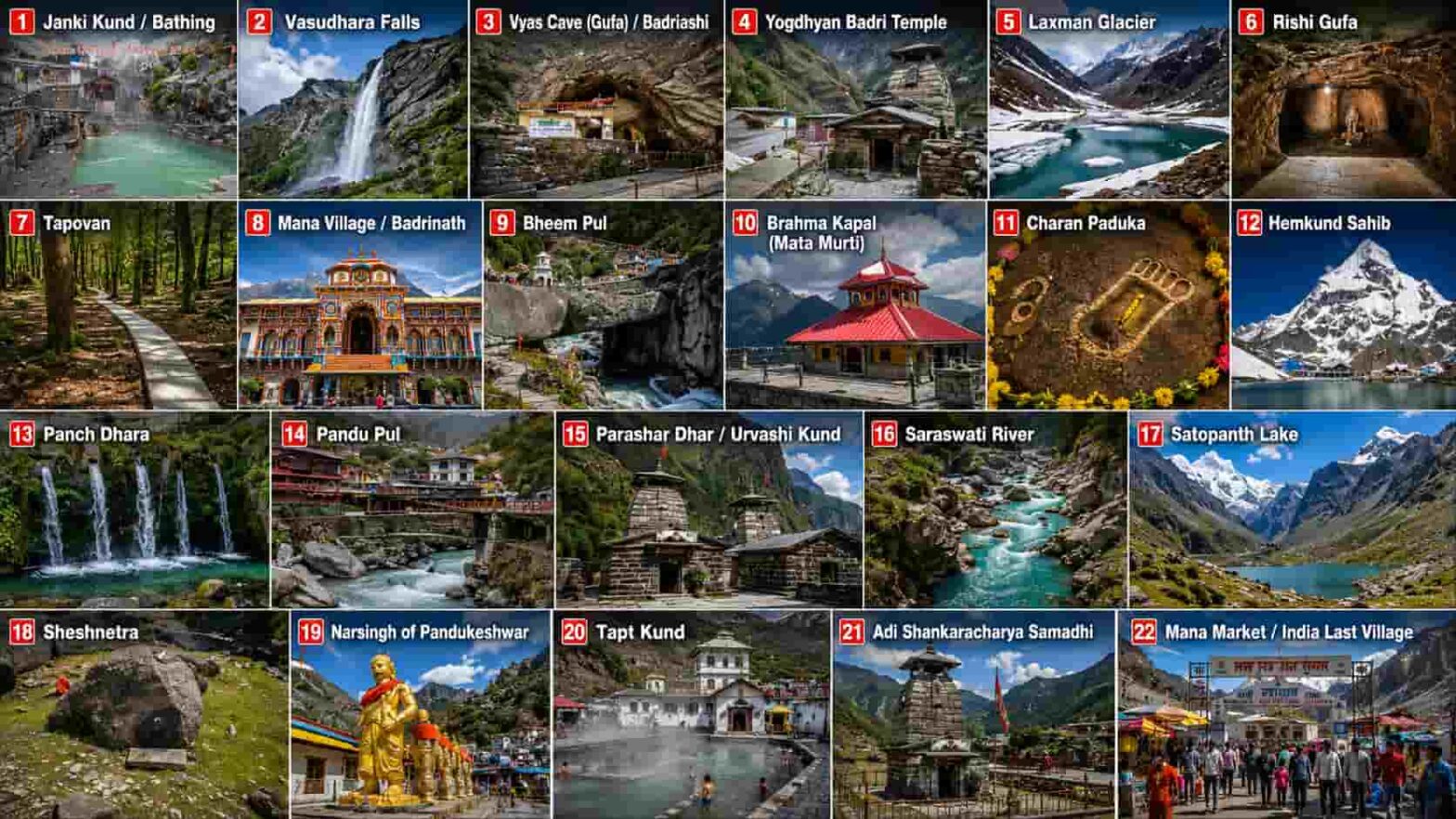
Being a religious destination, many of the top places to visit in Badrinath hold deep mythological significance, especially with stories from the Mahabharata epic. These majestic attractions continue to draw pilgrims, nature lovers, and tourists who make sure to stop over at these sacred sites while visiting the holy town. From ancient temples and sacred kunds to breathtaking valleys and scenic viewpoints, the Top Places to Visit in Badrinath offer a perfect blend of spirituality, history, and natural beauty. Moreover, several famous Himalayan treks also commence from Badrinath and lead travellers toward the higher altitudes of the Garhwal region.
There are more than 21 tourist attractions in Badrinath where travellers can spend quality leisure time with family and friends with our Luxury Chardham Yatra Package. Here, you will find a well-researched list of the Top Places to Visit in Badrinath that you should include in your travel itinerary. Explore the hidden gems, famous sightseeing spots, adventure points, and peaceful picnic locations that make a vacation in Badrinath truly unforgettable.
Reaching Badrinath is now easier because the holy town is well-connected with major cities and towns of Uttarakhand. Moreover, travellers can choose different routes via Rishikesh, Haridwar, or Dehradun according to their convenience. Whether you prefer travelling by road, train, or helicopter services, you can comfortably reach the sacred shrine of Lord Vishnu during your Badrinath Yatra.
Travelling by road is one of the most popular and convenient ways to reach Badrinath. First, you can travel from your city to the bus terminals at Rishikesh or Haridwar. After that, regular buses and taxis operate towards Badrinath.
Rishikesh to Badrinath Bus Stand: Approx. 9–12 hours
Bus Fare: ₹600 to ₹1200
Additionally, both Uttarakhand Tourism Corporation buses and private buses are available at affordable fares.
Alternatively:Haridwar to Badrinath Bus Stand: Approx. 10–13 hours
Bus Fare: ₹900 to ₹1200
Furthermore, the scenic mountain roads make the journey enjoyable and spiritually refreshing.
If you prefer train travel, first reach Delhi from your city. Then, take a train to Haridwar or Rishikesh. From there, you can continue your journey by bus or taxi to Badrinath.
Rishikesh / Haridwar to Badrinath: Approx. 9–12 hours
Bus Fare: ₹600 to ₹1200
In addition, Uttarakhand Tourism Corporation buses and private buses operate regularly during the Yatra season.
For a faster and more luxurious journey, you can choose helicopter services from Dehradun.
Route: Jolly Grant Helipad, Dehradun to Badrinath Helipad
Moreover, helicopter services are also included in many Do Dham by Helicopter and Char Dham helicopter packages, making the pilgrimage more comfortable and time-saving for travellers.
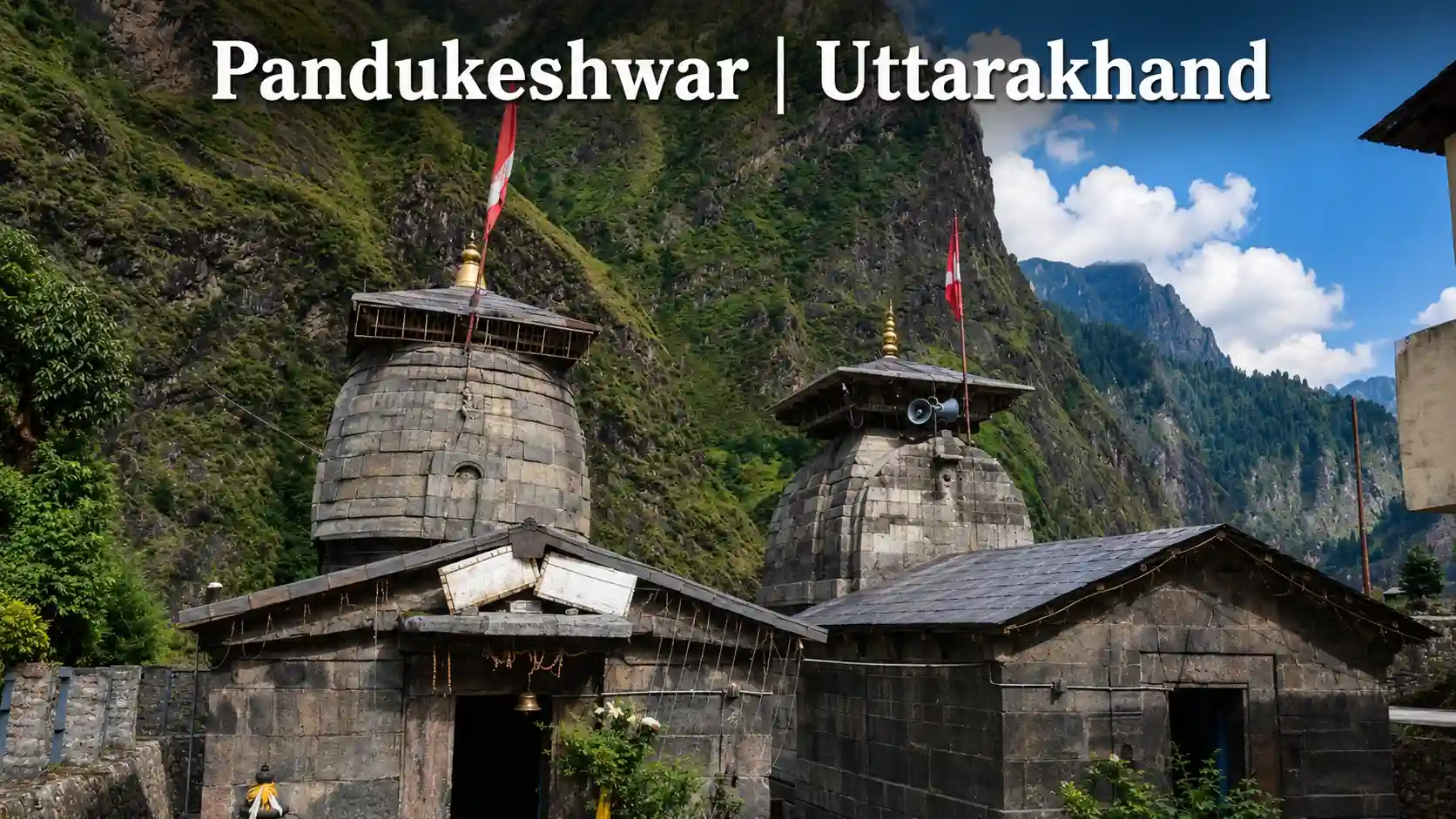
Begin your journey at Pandukeshwar, a sacred place located en route to the abode of Lord Vishnu. Situated at an elevation of 1,829 metres, you will find this town just 18 kilometres from Joshimath. Interestingly, locals believe that King Pandu (father of the Pandavas) spent his last days here. I recommend you stop here to absorb the serene atmosphere before heading further uphill.
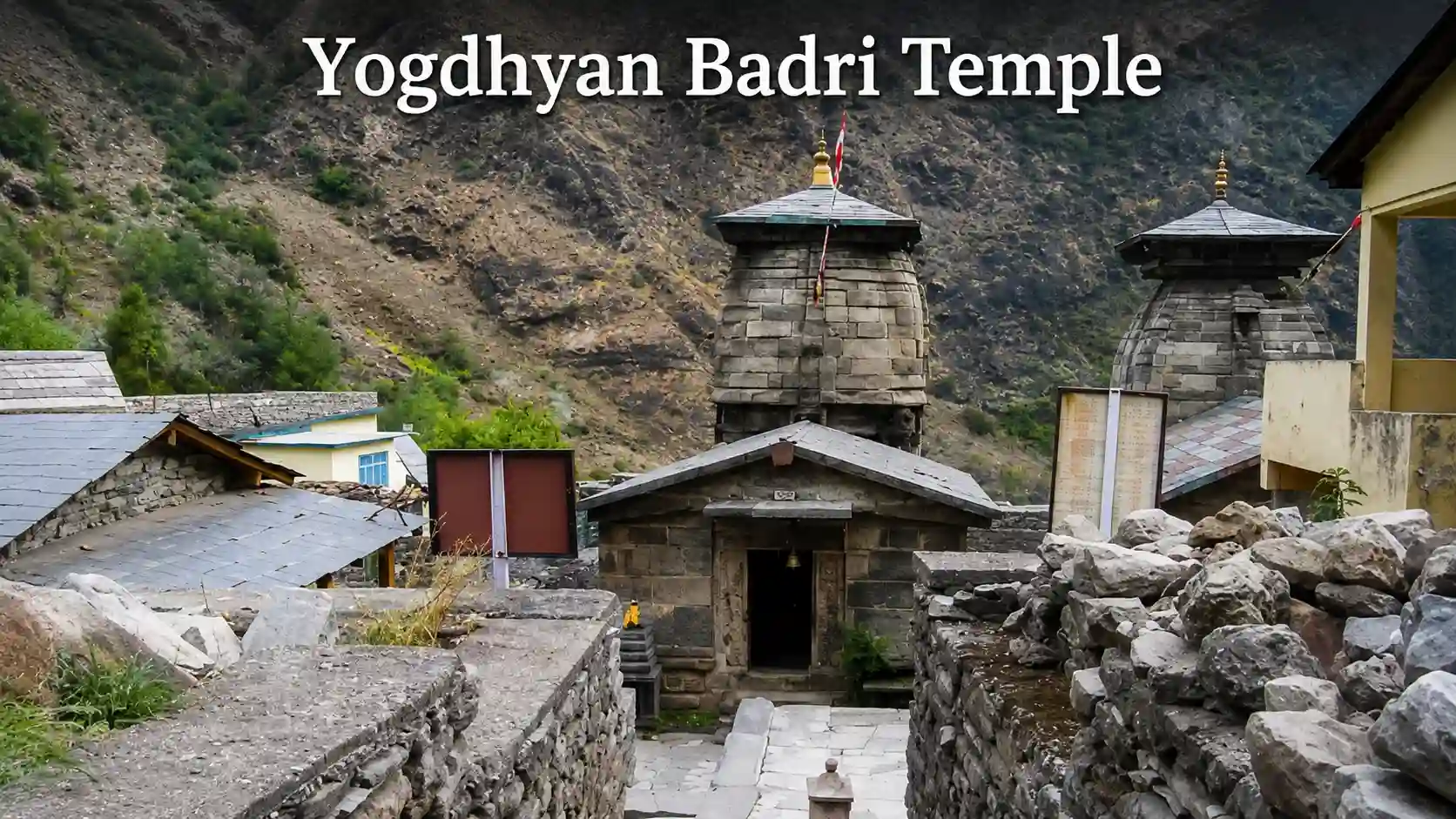
Do not miss Yogadhyan Badri Temple, one of the holy Sapta Badris (seven Badris). Located at Pandukeshwar itself, this temple houses the Utsava-murti (festival idol) of Badrinath. During winter, when the main temple closes, priests bring the idol here for worship. Therefore, you can experience the same divine energy even in the off-season.
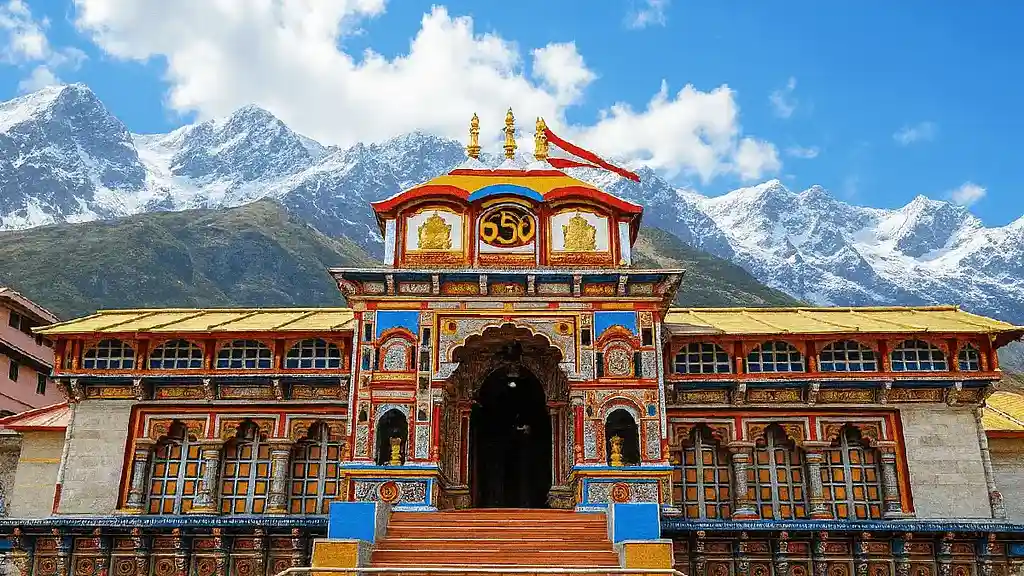
The Badrinath Temple is one of the top places visit of the Chardham Yatra. Nestled in the Himalayan ranges, the sacred Badrinath Temple is one of the most famous temples dedicated to Lord Vishnu. Located at an elevation of 3,133 meters in Uttarakhand’s Chamoli district, the temple attracts thousands of devotees every year. Moreover, it remains open from Akshaya Tritiya in May until November. Surrounded by breathtaking mountains and spiritual energy, Badrinath Temple offers a peaceful and divine experience for pilgrims as well as nature lovers visiting the holy Char Dham destination.
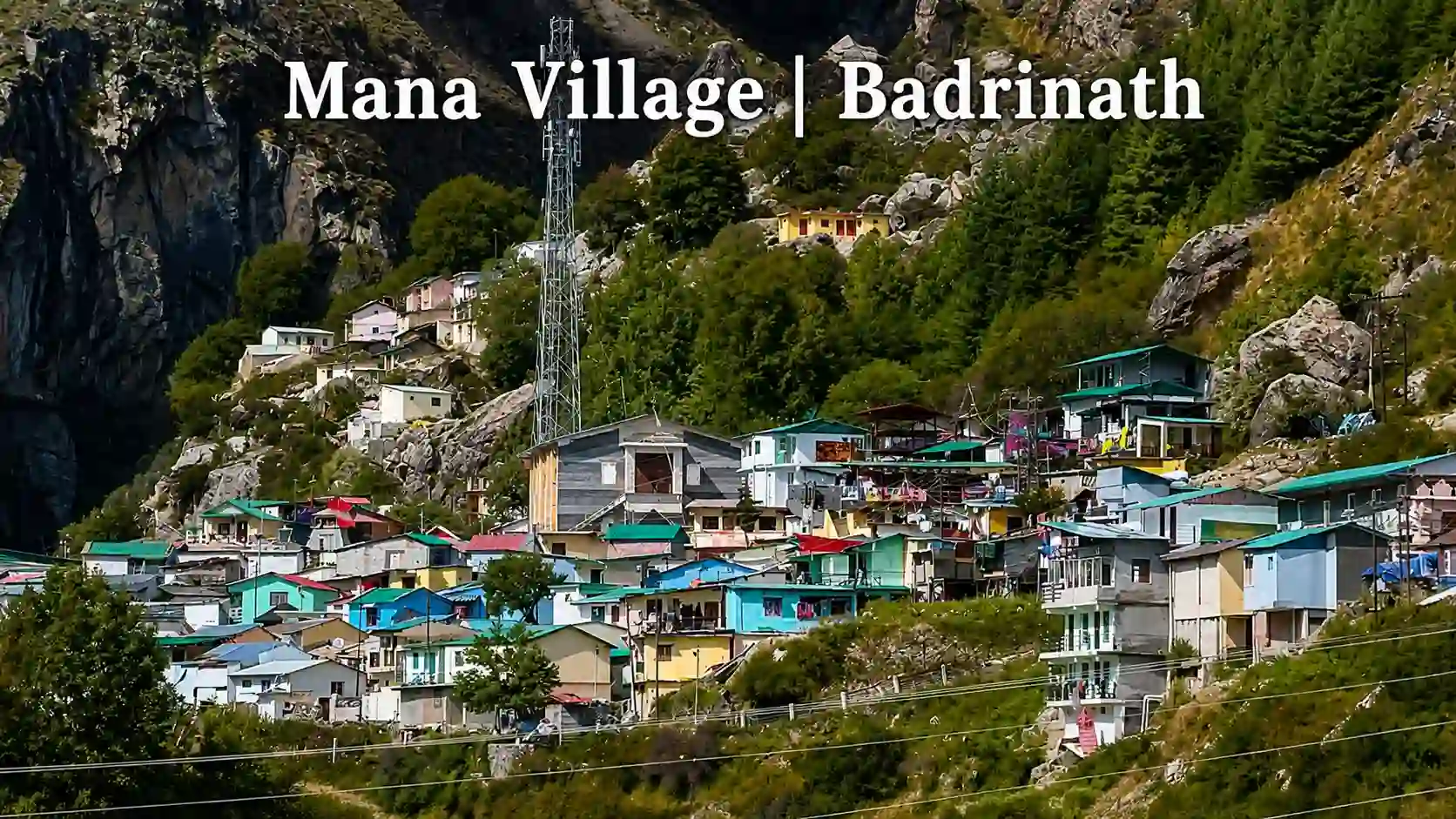
Moving on, drive 3 kilometres north of Badrinath to reach Mana Village—the last Indian village before the Tibet/China border. As you walk through this charming hamlet in the Chamoli district, you will notice colourful houses and friendly locals. Moreover, the Indian Army maintains a strong presence here, reminding you of the strategic importance of this location. Consequently, Mana offers a unique blend of culture, bravery, and natural beauty.
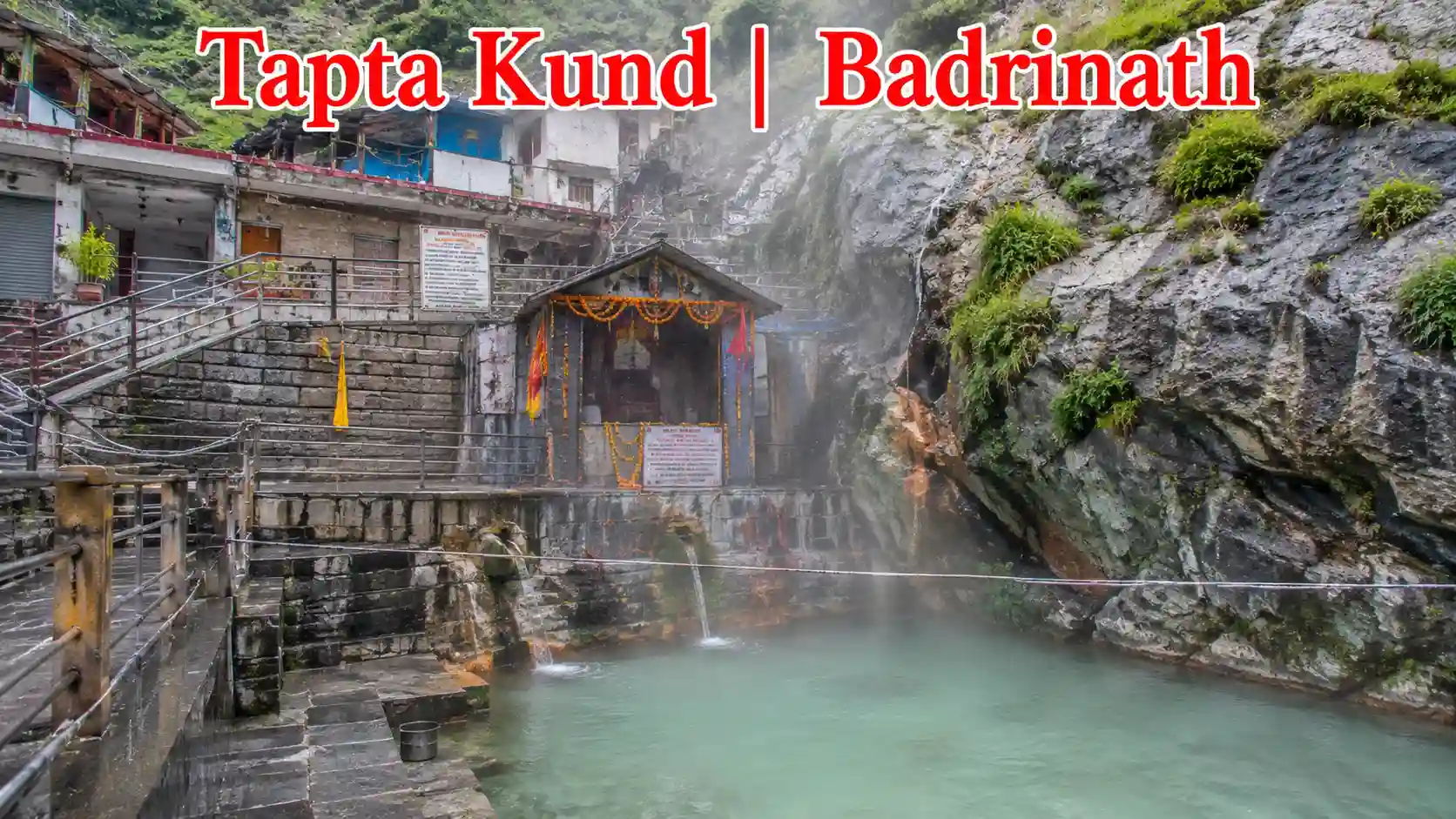
After a long day of sightseeing, you will definitely appreciate a dip in Tapta Kund. This natural thermal spring sits right between the Badrinath temple and the Alaknanda River. The water remains steaming hot throughout the year, and pilgrims traditionally bathe here before entering the temple. For your safety, remember that the water contains high sulphur content. Still, it soothes your muscles and refreshes your mind like nothing else.
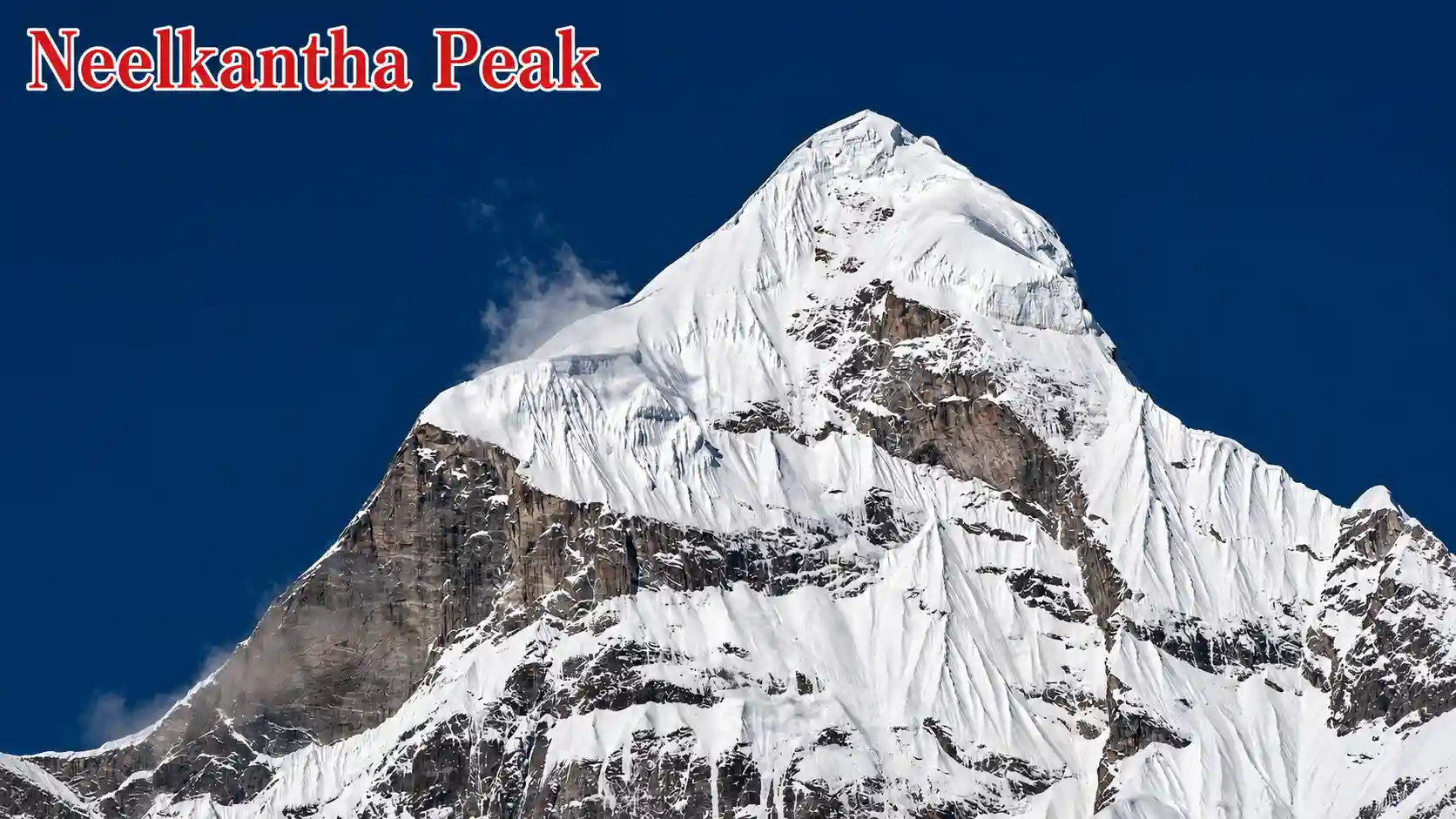
Look up from any spot in Badrinath, and you will see Neelkantha Peak towering above you. With an impressive altitude of 6,507 metres, this snowy peak overlooks the Badrinath shrine like a silent guardian. Locals call it the "Garhwal’s Matterhorn" because of its sharp, pyramid-like shape. During sunrise, the peak glows orange and gold—a sight you will never forget. Therefore, wake up early and capture this majestic view.
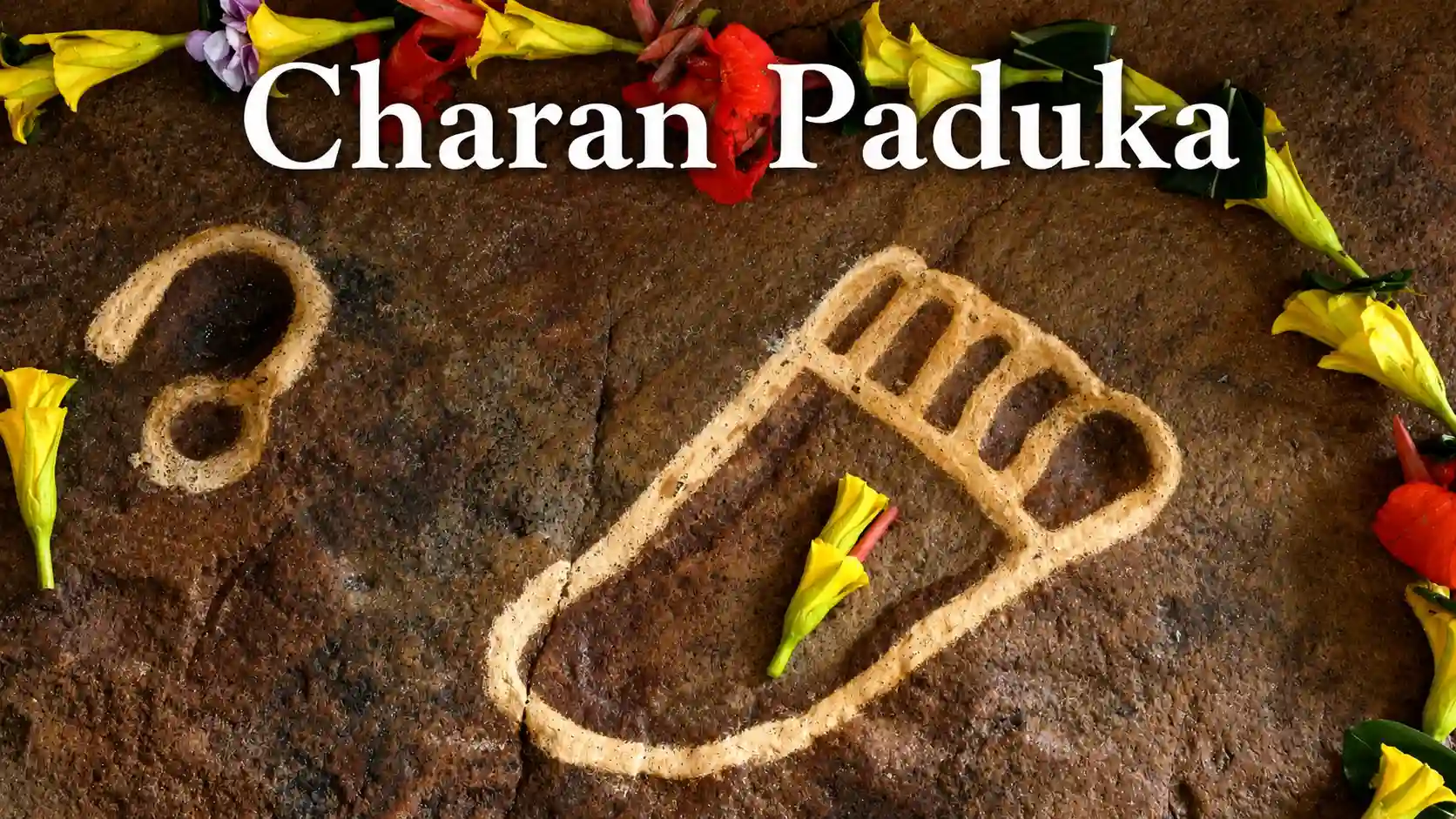
Chardham Paduka is one of the top places visit in Badrinath Dham. For those who love short treks, Charan Paduka offers a rewarding experience. You will find this sacred rock 3 kilometres from Badrinath (or 1.5 kilometres from the main road). As you climb the gentle slope, you will discover the imprints of Lord Vishnu’s feet on a flat rock surface. Additionally, the trail rewards you with panoramic views of the Alaknanda River and the surrounding peaks. So, wear comfortable shoes and start early to avoid the midday heat.
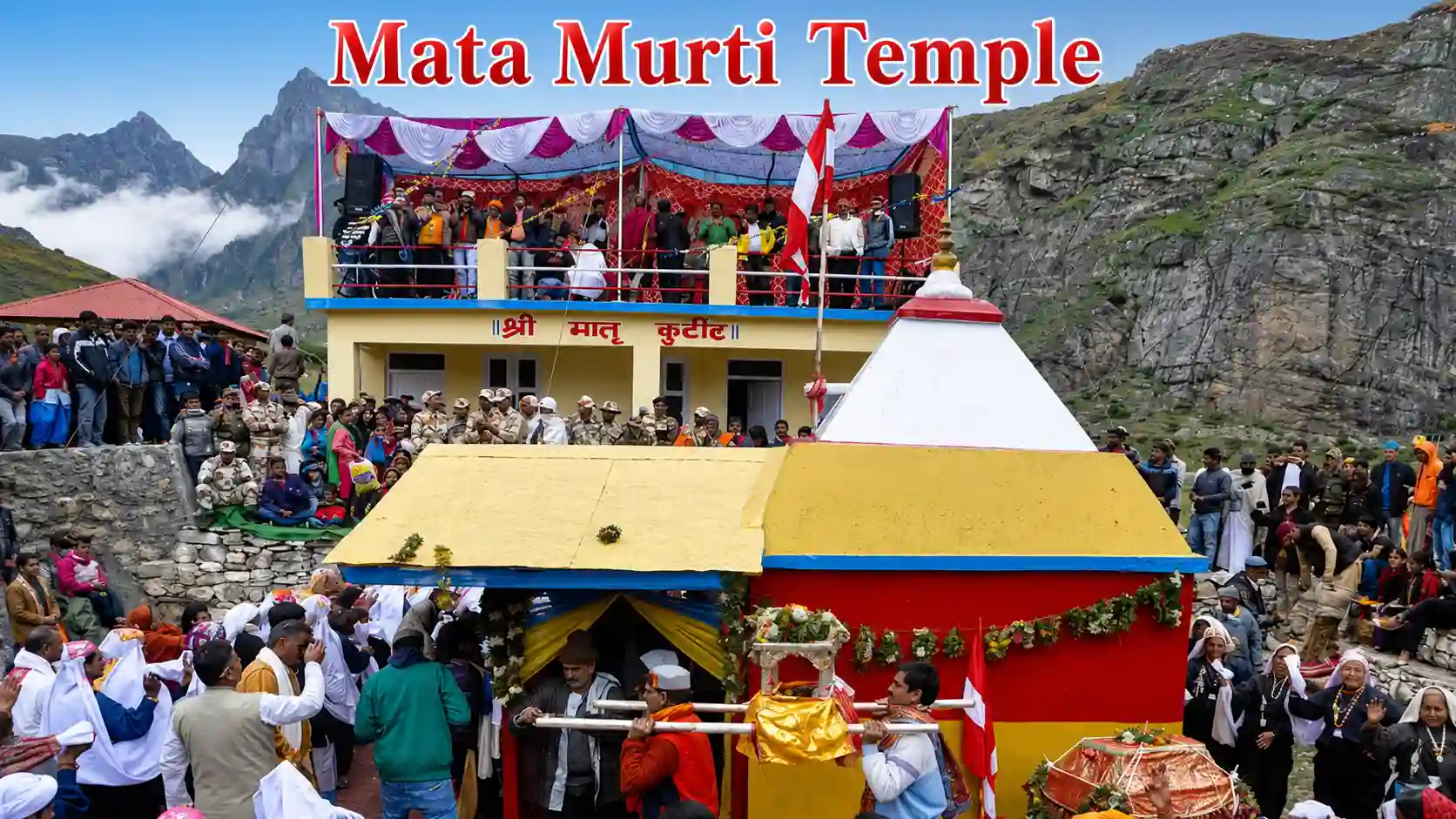
Another gem lies 3 kilometres from Badrinath on the right bank of the Alaknanda River—the Mata Murti Temple. This Devi temple honours the mother of Lord Narayana
(Vishnu). Every year, during the Mata Murti Mela, priests conduct elaborate rituals here. You will feel a sense of peace and devotion as you offer your prayers. Consequently, this spot remains less crowded than the main temple, allowing you to connect spiritually without the rush.
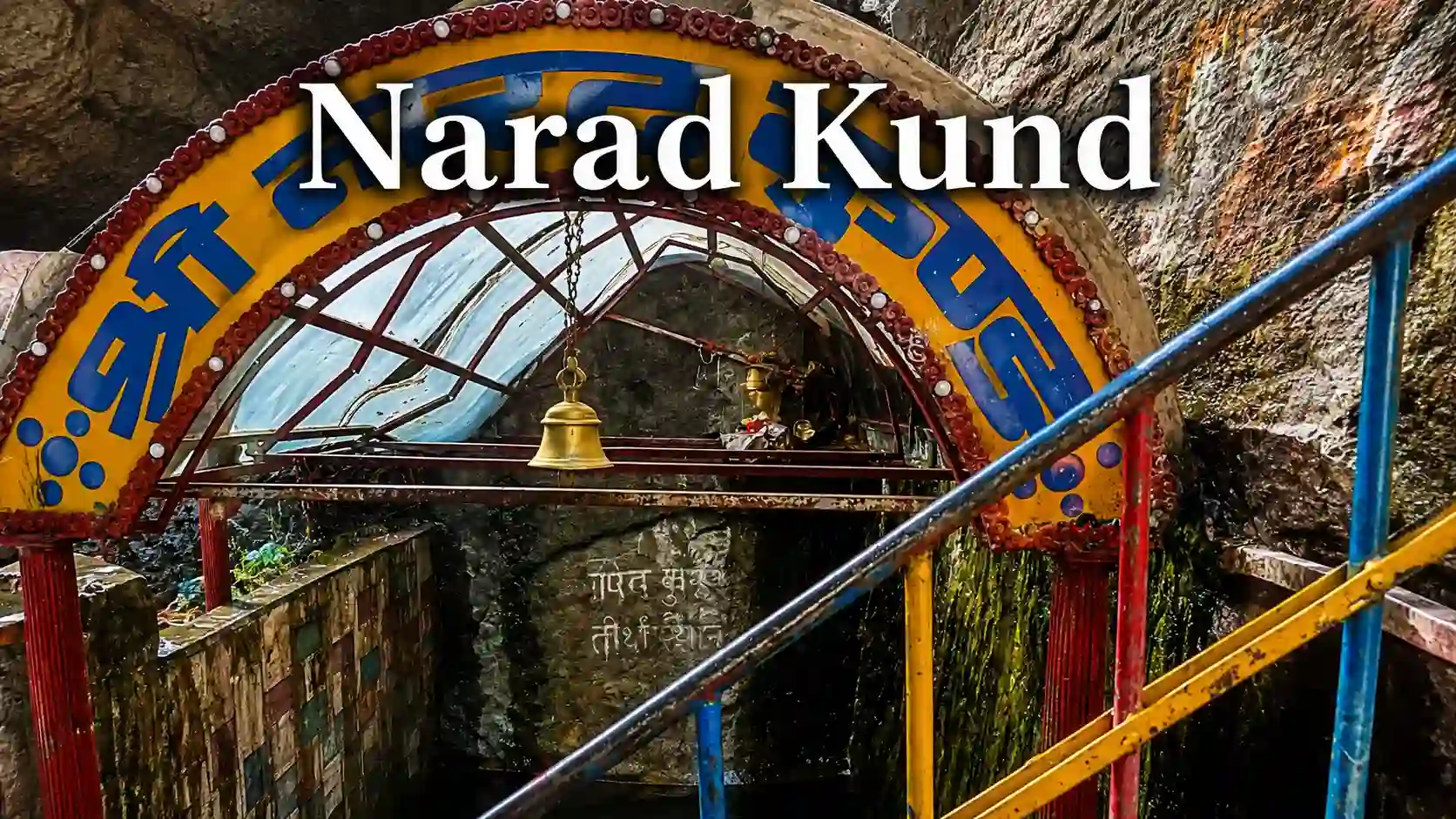
Do not leave Badrinath without visiting Narad Kund, a sacred pond located near the temple complex. According to legend, the sage Narada meditated here, and Adi Shankara discovered the ancient idol of Badrinath from these very waters. Today, you can see pilgrims performing rituals and dipping sacred threads into the kund. Transitioning from history to practice, you may also choose to take a holy dip here before your temple visit.
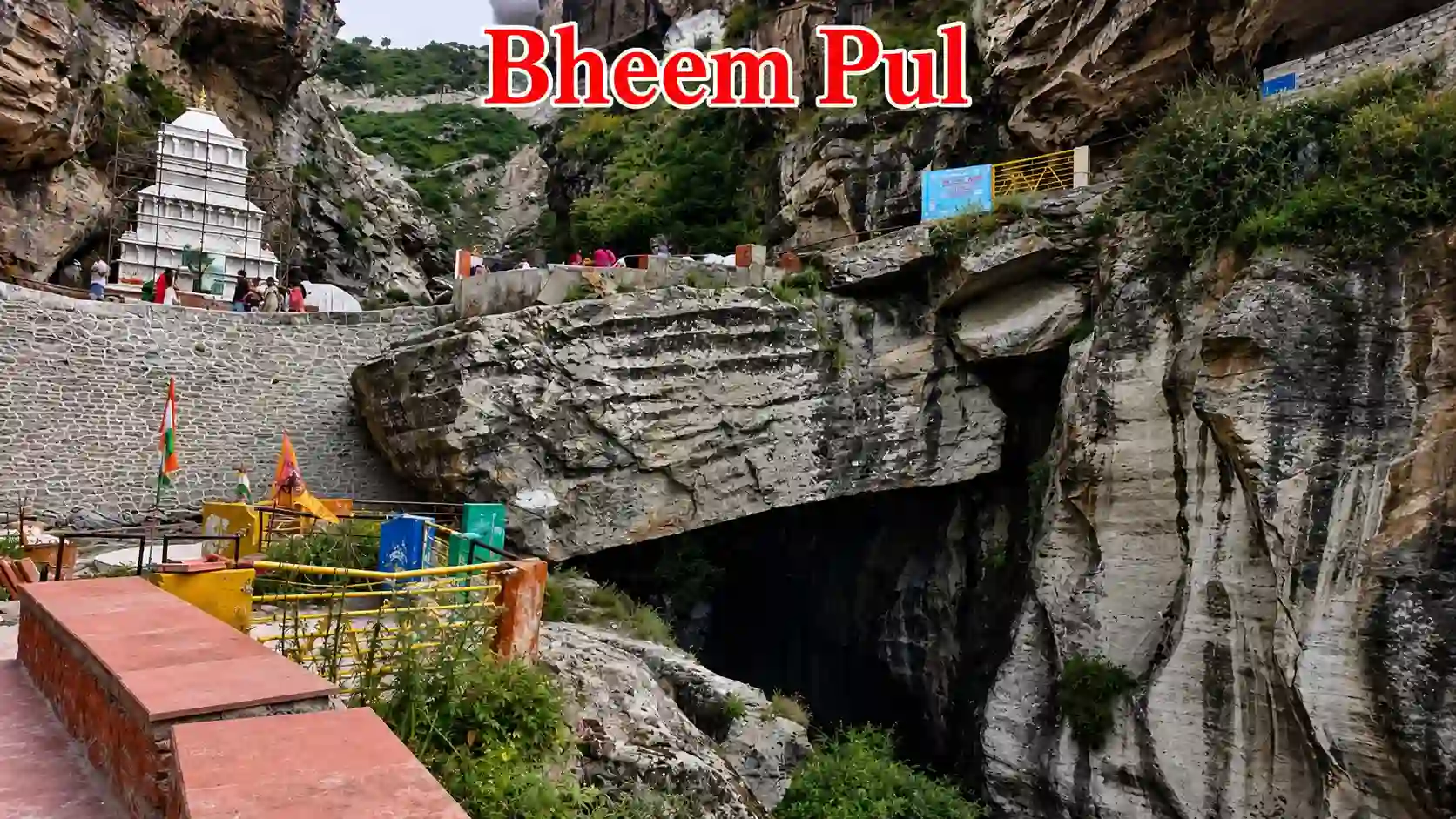
Back in Mana Village, you will spot Bheem Pul, a massive rock bridge built over the roaring Saraswati River. As the story goes, Bheem (the strongest Pandava) placed this giant stone slab to help Draupadi cross the river. You can actually walk across this natural bridge, but be careful—the water crashes down with tremendous force below. Furthermore, the sound echoes through the narrow gorge, giving you a thrilling experience.
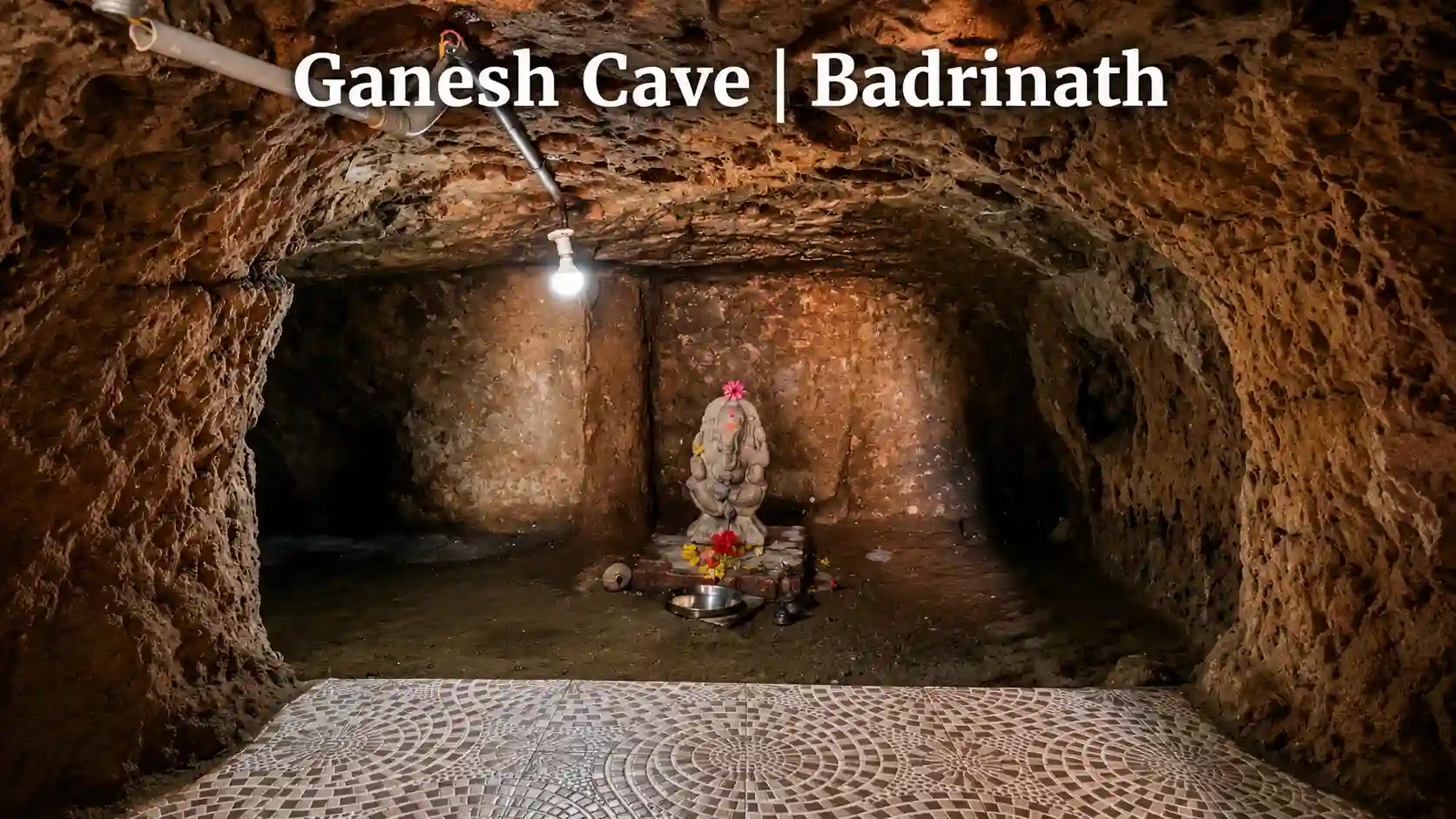
Just a few steps from Bheem Pul, enter Ganesha Cave, a naturally formed cavern. As per Hindu beliefs, Lord Ganesha penned the Mahabharata in this very cave as Sage Vyasa dictated the verses. When you step inside, you will see a small idol of Ganesha and ancient stone carvings. The cave remains cool and dimly lit, creating a mysterious atmosphere. Therefore, carry a torch to explore the deeper corners safely.

Head to the banks of the Alaknanda River, and you will find Brahma Kapal, a flat platform of great importance to Hindus. Here, people pay homage to their deceased ancestors through pind daan (ritual offerings). Unlike other places, performing these rites here is believed to grant salvation directly, without any intermediary. Consequently, you will see many grieving families performing rituals with the help of local priests. Please maintain silence and respect their emotions.
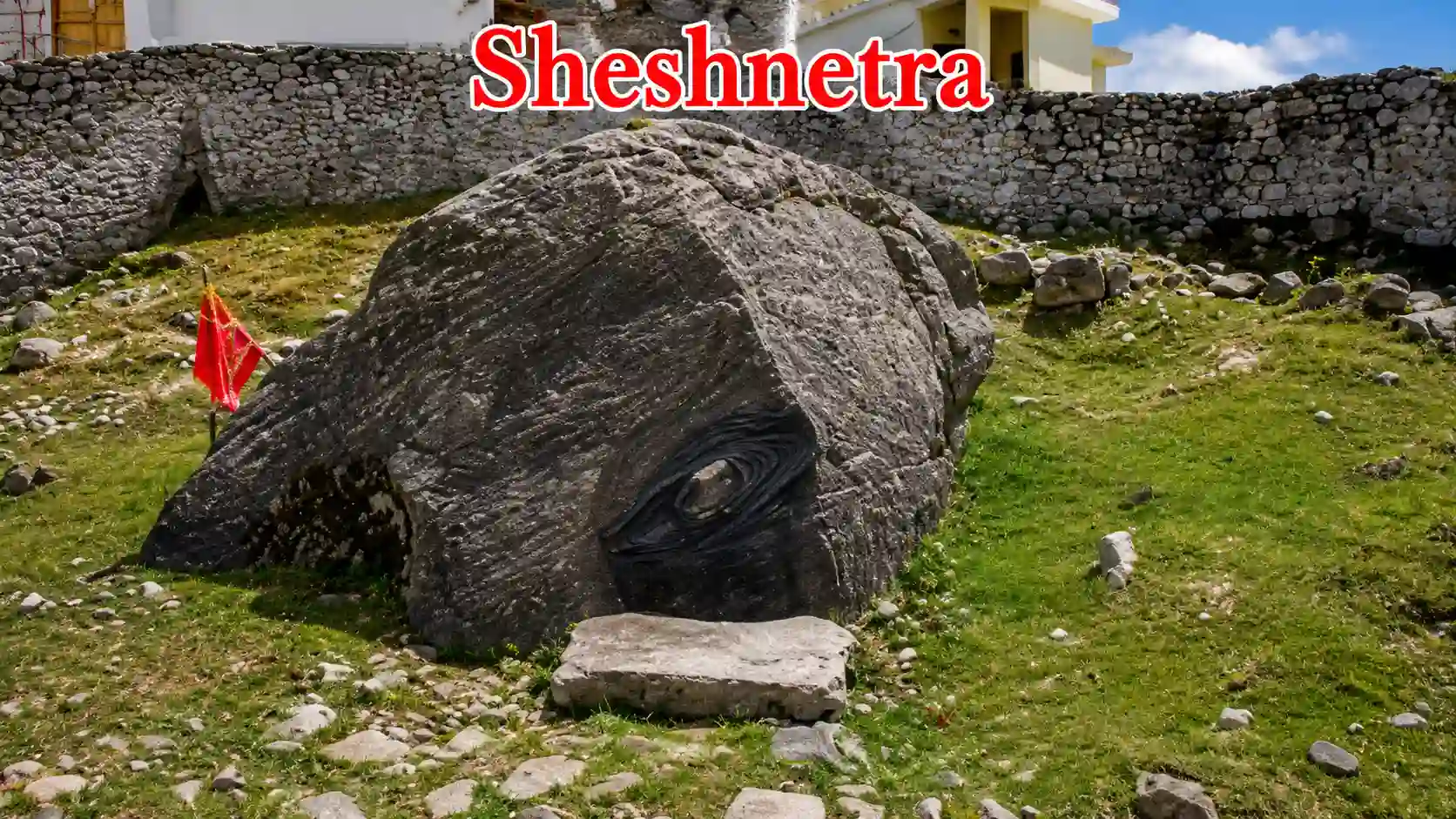
Only a few kilometres from Badrinath lies Sheshnetra, a relatively unknown but fascinating site. According to mythology, Lord Vishnu took rest on the serpent Ananta Shesha. Today, you can see a natural stone formation resembling a snake’s eye on the mountain wall. Moreover, locals believe that the eye watches over the entire Badrinath valley. To reach here, you need a short trek, so prepare accordingly.
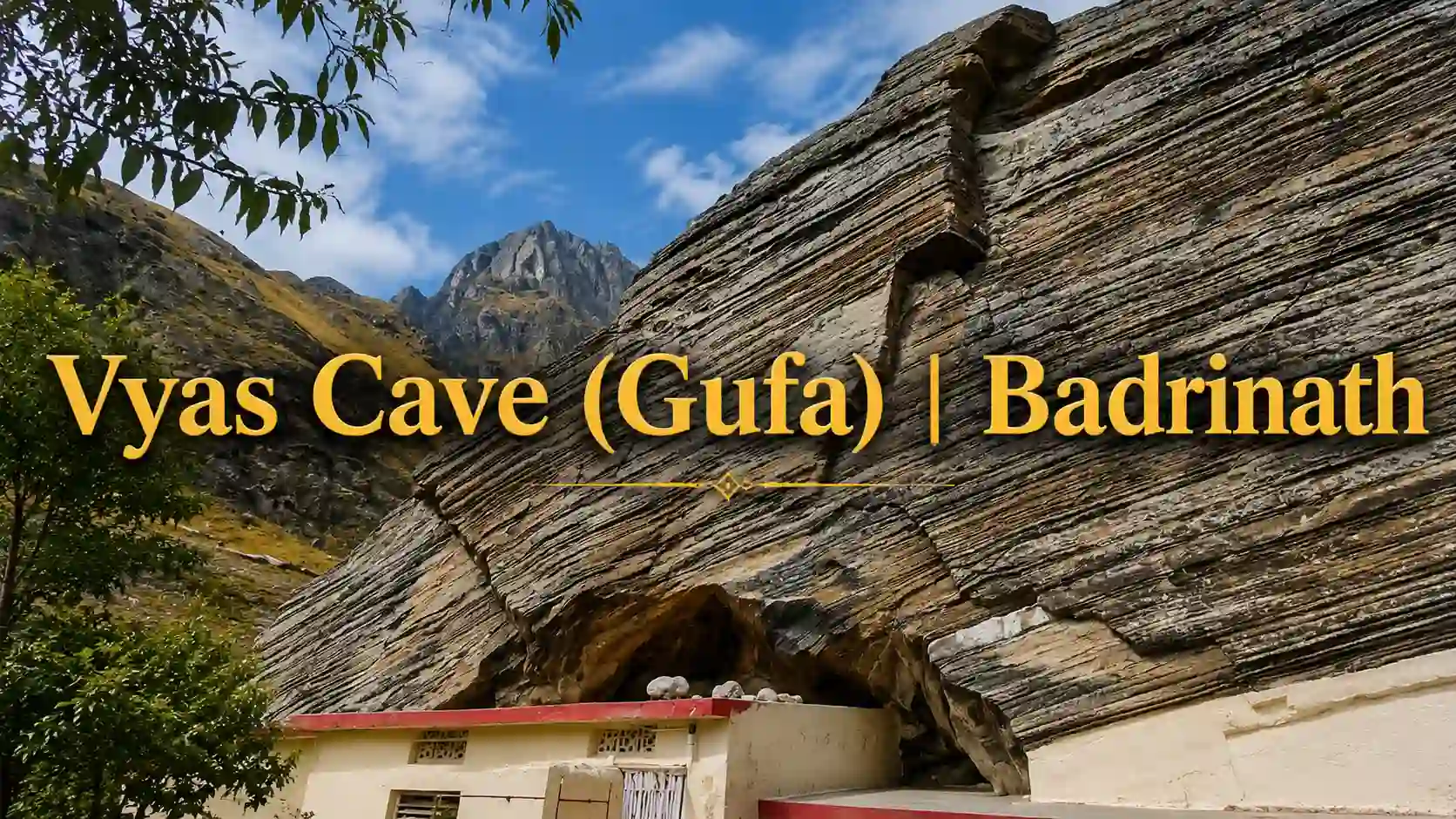
Another cave of immense historical value and a top places to visit in Badrinath Dham is Vyas Cave, located close to Mana Village. The great sage Vyasa meditated here while composing the Mahabharata and compiling the Vedas. As you enter the narrow opening, you will feel a profound stillness. The cave contains a small shrine and a stone seat where Vyasa supposedly sat. Therefore, if you love history and spirituality, this cave deserves a top spot on your itinerary.
Here is a fascinating phenomenon: the Saraswati River. Unlike other rivers, you cannot always see it flowing above ground. According to legend, the Saraswati runs parallel to the Alaknanda but remains invisible to ordinary eyes. However, at Mana Village, just before Bheem Pul, you can actually see a small stream emerging from the rocks. Locals call this the visible stretch of the mythical Saraswati. Therefore, do not miss this rare sight.
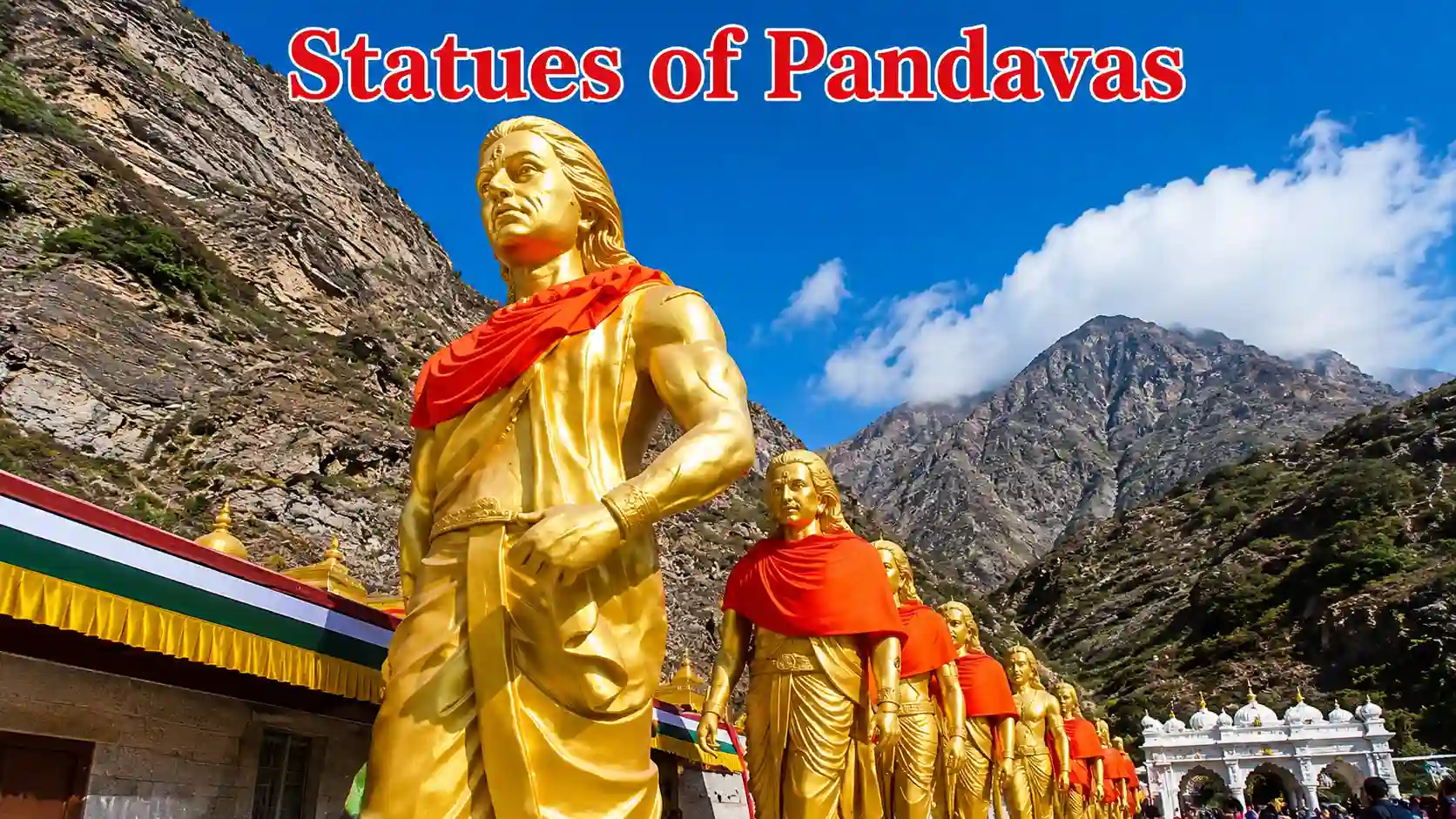
As you explore Mana Village, keep an eye out for the statues of the Pandavas. Local artisans have carved life-sized stone figures of Yudhishthira, Bheem, Arjuna, Nakula, and Sahadeva. These statues stand near the entrance of the village, welcoming visitors with their heroic postures. Moreover, the carvings beautifully capture each brother’s unique expression. You can take photographs here, but please avoid climbing on the statues to preserve them for future travellers.
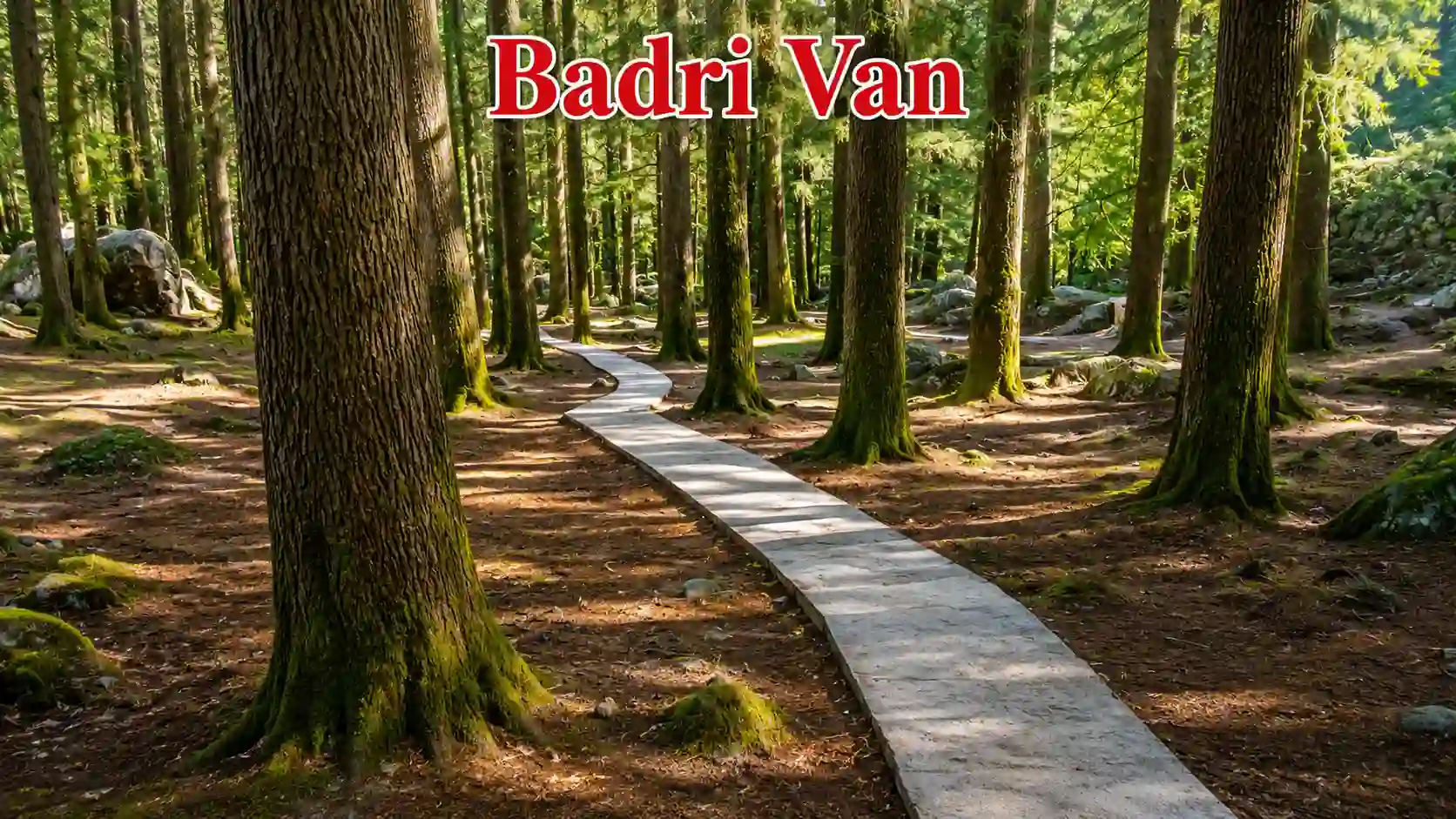
For a peaceful nature walk, head to Badri Van, a forest of wild berries and medicinal plants. The name itself means “Berry Forest", and locals believe that Lord Vishnu meditated here disguised as a berry tree. During summer, you can pluck and eat the sweet, small berries (only if you can identify them correctly). Additionally, the forest offers excellent birdwatching opportunities. So, bring your binoculars and spend a quiet afternoon here.
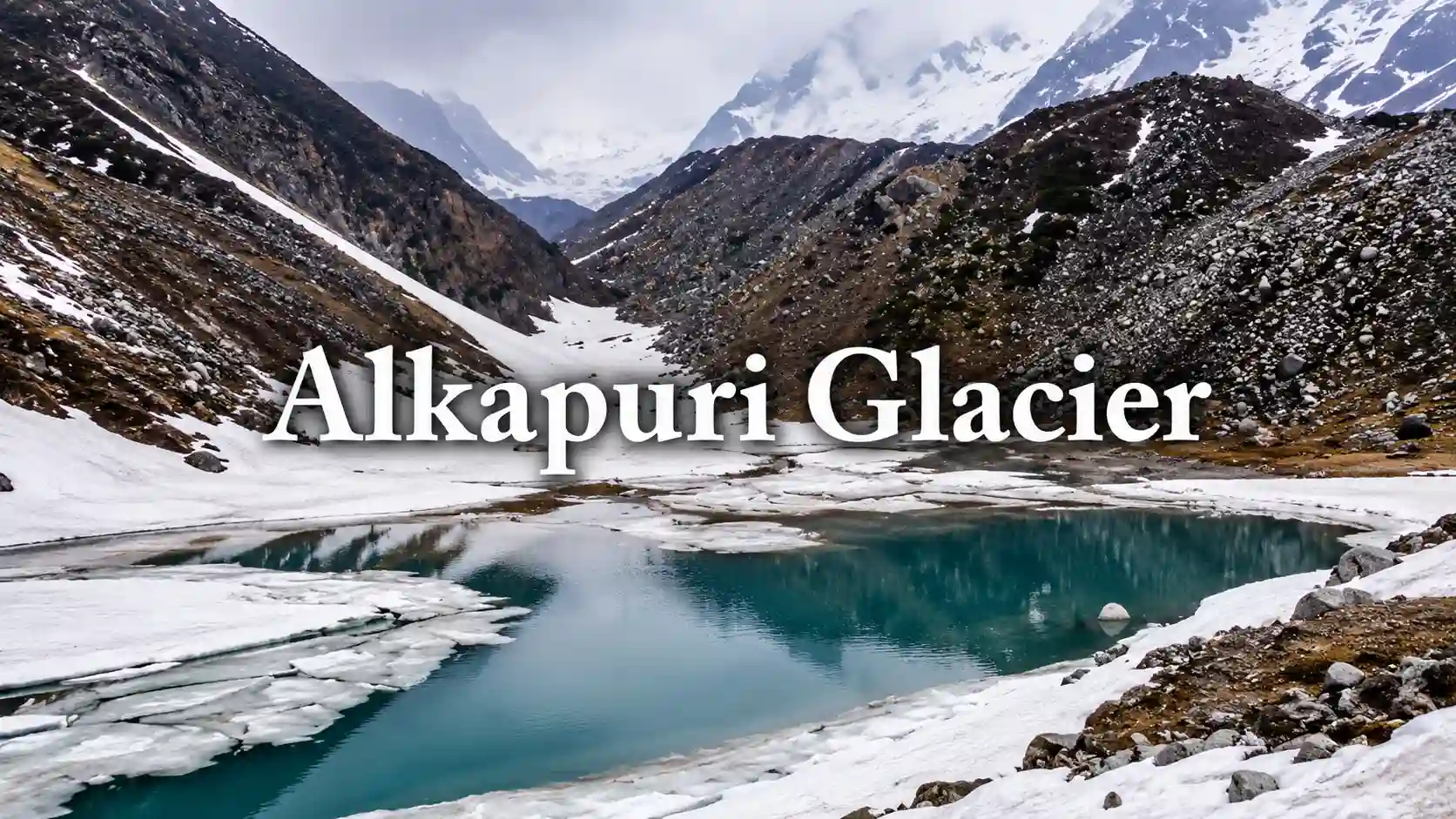
Adventure seekers, pay attention. Alkapuri Glacier serves as the mythical source of the Saraswati River. Located at a high altitude, this glacier requires a strenuous trek from Badrinath. You will need a guide and proper permits to attempt this journey. However, if you succeed, you will witness pristine ice formations and breathtaking Himalayan vistas. Because the terrain is challenging, only experienced trekkers should attempt this route.
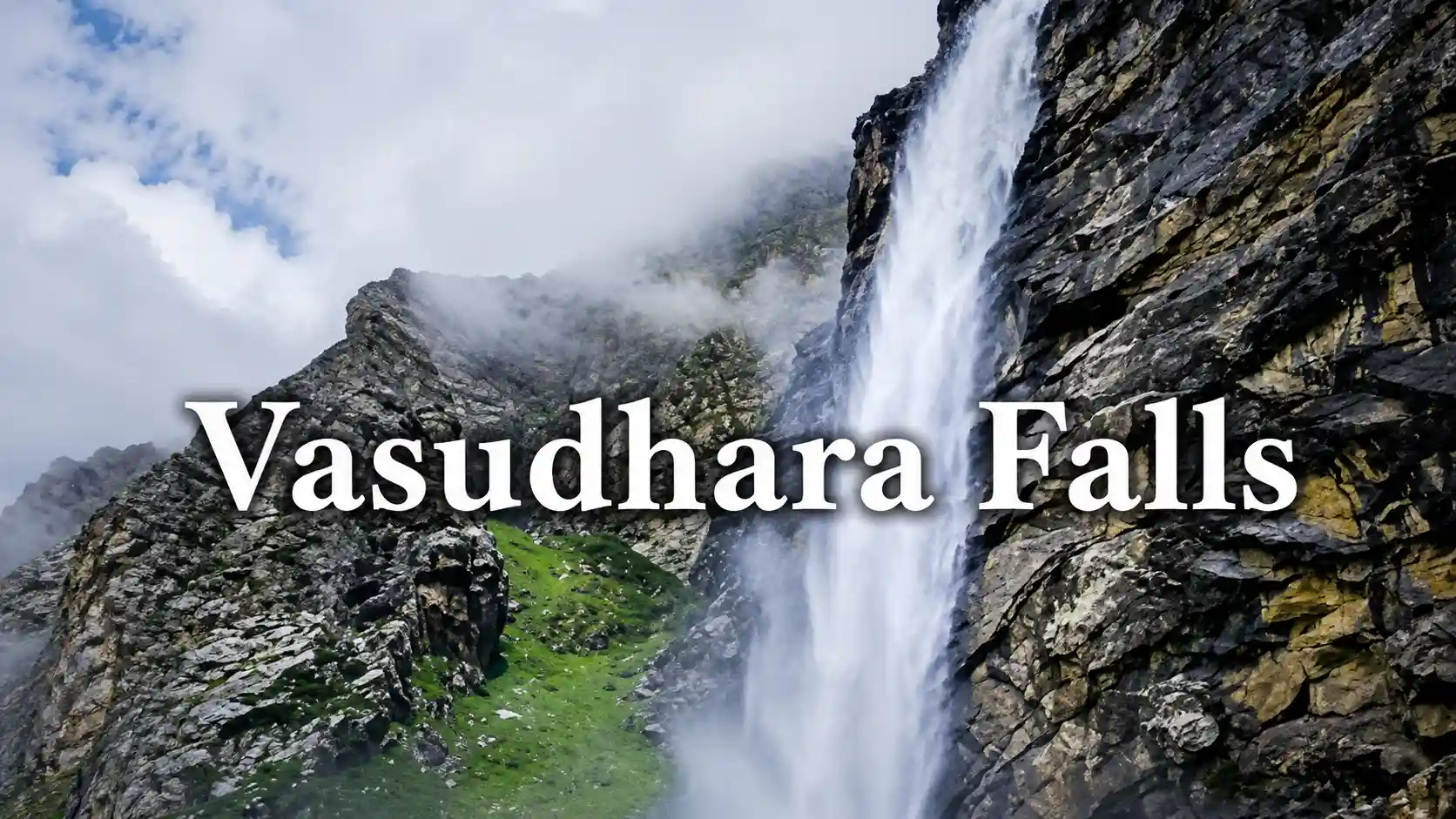
Another trekking destination from Badrinath is Vasudhara Falls, a magnificent waterfall cascading from 400 feet. According to legend, the falls reveal themselves only to the pure-hearted. If you have committed any sin, the water supposedly moves away from you. Realistically, the falls are visible from a distance on most clear days. You can trek 8 kilometres from Mana Village to reach the base. Once there, feel the icy spray on your face—a truly unforgettable experience.
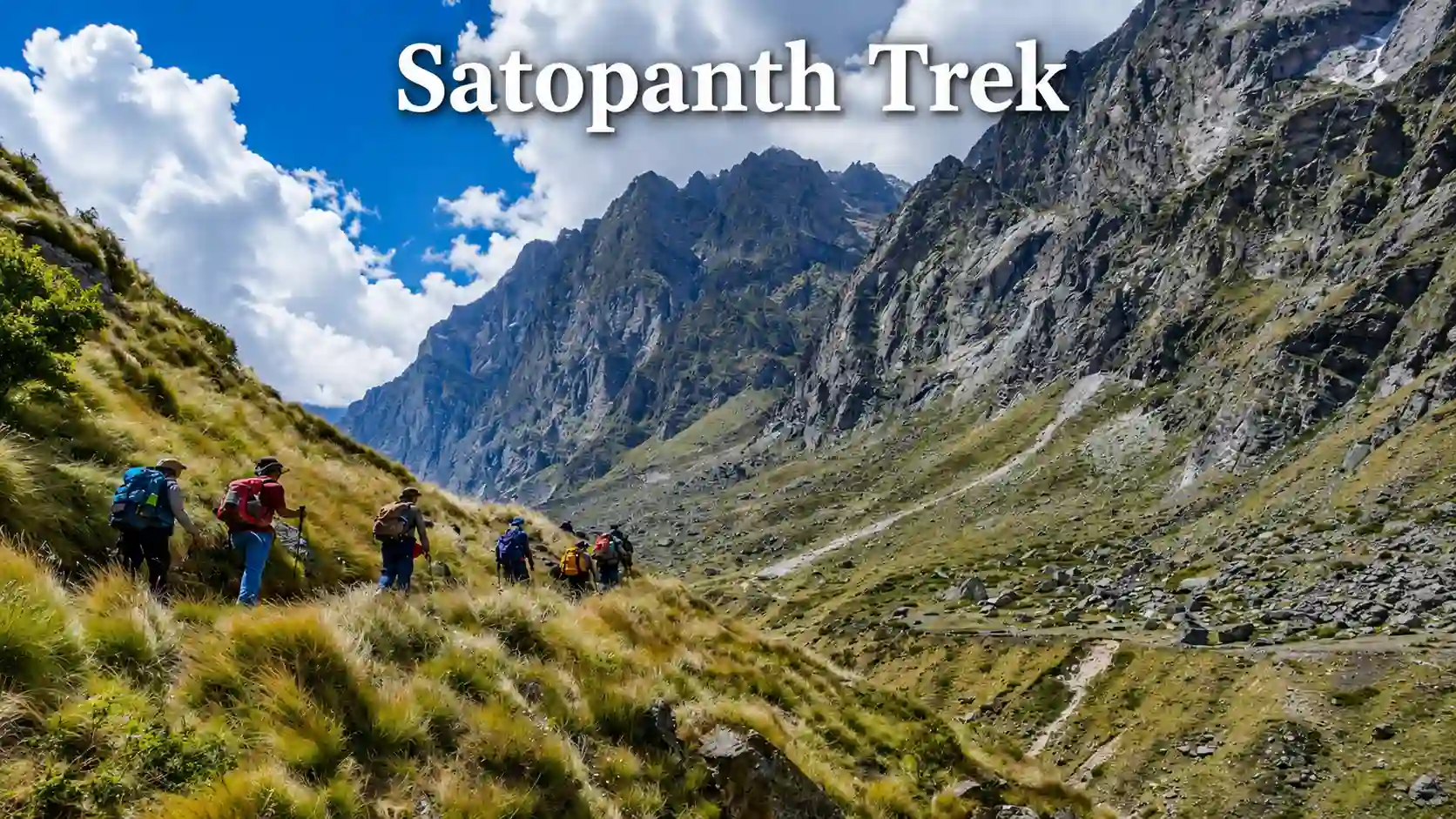
Finally, for hardcore adventurers, the Satopanth Trek offers the ultimate challenge. This trek leads you to a triangular lake situated at 4,600 metres, where Lord Brahma, Lord Vishnu, and Lord Mahesh are said to meditate. The trek takes about 4–5 days and passes through rugged moraines, glaciers, and high-altitude camps. You must register with the forest department and hire an experienced guide. Because of the extreme conditions, attempt this only between June and September.
The Badrinath Temple is not open year-round. The temple is generally open from Akshaya Tritiya (late April/early May) until November (usually Diwali). The ideal months are May–June and September–October for pleasant weather and clear mountain views. When the weather is pleasant and roads are clear.
To visit the main temple, explore Mana Village, and see the nearby holy caves and waterfalls comfortably, a 2 to 3-day itinerary is ideal. However, if you plan to do advanced treks like the Alkapuri Glacier or the 4–5 day Satopanth Trek, you will need to add more days to your trip.
Travel Delhi → Haridwar/Rishikesh by train, then take a bus or taxi (9–13 hours, ₹600–₹1,200). For comfort, opt for a helicopter from Jolly Grant Helipad, Dehradun — often included in Char Dham packages.
Yes, helicopter services run from Dehradun's Jolly Grant Helipad. They're ideal for older pilgrims or those with limited time and are bundled in Do Dham/Char Dham helicopter packages.
Most places, including Badrinath Temple, Mana Village, Tapta Kund, and Bheem Pul have no entry fee. However, some trekking routes (like Satopanth) may require forest permits and guide fees.
Yes, helicopter services are available from Dehradun to Badrinath during the Char Dham Yatra season. Many luxury Char Dham packages also include helicopter travel options.
No, photography is generally not allowed inside the main temple premises. However, you can take photographs outside the temple and at nearby sightseeing locations.
Mana Village is located around 3 kilometres from Badrinath Temple. You can easily reach there by car or local taxi within 10–15 minutes.
Some famous trekking destinations near Badrinath include:
Vasudhara Falls Trek
Satopanth Trek
Charan Paduka Trek
Alkapuri Glacier Trek
These treks offer beautiful Himalayan views and spiritual experiences.
Brahma Kapal is an important religious site where Hindus perform pind daan and rituals for their ancestors. It is believed that performing rituals here helps attain moksha.