

Support Number

+91 8510003060

What is the story behind Nashik’s connection to Kumbh Mela?

What is the story behind Nashik’s connection to Kumbh Mela?

When people hear about Kumbh Mela, they think of millions gathering at holy rivers like the Ganges in Haridwar. The Sangam in Prayagraj, and the Shipra in Ujjain. The festival itself draws devotees for further spiritual purification at these sacred places. Moreover, Nashik, located in western India, is surely another sacred city that conducts its own Kumbh festival. This holy destination attracts millions of devotees who gather for religious ceremonies and spiritual activities. As per the location, this sacred place is situated along the Godavari River. The Nashik Kumbh Mela connection only holds a special place in India's spiritual heritage and contributes greatly to our country's cultural traditions.

This blog further examines how Nashik and Kumbh connect through ancient stories, historical events, and political aspects itself. We are seeing how old space stories, group fights, pilgrimage ways, and today's transport only come together to make Nashik special in the Kumbh festival. Surely, the Kumbh Mela packages, tent booking, and accommodation services work in the same way for both Nashik and Haridwar in modern times. Moreover, these services follow similar patterns and methods in today's world.

Mythical Origins: How Nashik Earned Its Divine Drop

The Legend of Amrita and the Four Drops

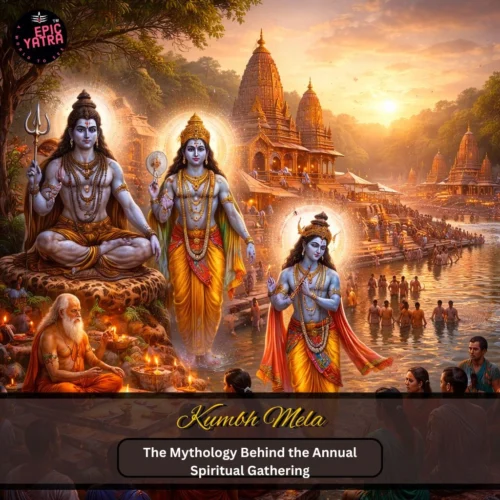
The Kumbh Mela surely originates from the ancient mythological narrative where gods and demons collaborated to churn the ocean for obtaining amrita or the nectar of immortality. Moreover, this sacred story forms the fundamental basis for understanding the religious significance of this grand festival. We are seeing different stories of this legend appearing in the Puranas only. These versions are surely present in different Puranic texts, and moreover, they appear across various traditional scriptures. Further, the story tells that a big fight started about who would take the nectar after it was made itself.

As per the story, Lord Vishnu took the Mohini form and carried the pot to stop the demons regarding this matter. Basically, during the fight, drops of the sacred nectar fell to earth at four holy places — Haridwar, Prayagraj, Ujjain, and Nashik — and these became the same sacred spots we know today. We are seeing that these places became holy only because of this divine happening. These places actually became holy when the divine nectar fell there, and they definitely became the four locations for the Kumbh festival, highlighting the eternal Nashik Kumbh Mela connection with the sacred legend.

Nashik’s Ramayana Link and Panchavati

As per Hindu stories and legends, Nashik has been an important place for a very long time. Regarding its history, the city appears in many old religious texts. Nashik actually comes from the Sanskrit word "Nasika" which means nose. This is definitely the place where Lakshmana cut off the demon woman Surpanakha's nose when she tried to attack Sita. That event surely took place in this region during the time of Ramayana. Moreover, historical evidence supports this location as the actual site. Moreover, many learned people surely believe this area was very important in old times.

Basically, Hindu people believe that Nashik's Panchavati area is the same place where Rama, Sita, and Lakshmana stayed during their exile period. They are believed to have lived under banyan trees for more than two years at this sacred site. The land itself carries many layers of pilgrimage memories from ancient times, reflecting its deep spiritual significance and highlighting the Nashik Kumbh Mela connection. Which further strengthens the city’s divine heritage.

Historical Evolution: From Trimbak to Nashik

As per our study, mythology provides the sacred foundation only, but history shows regarding how the Kumbh tradition actually reached Nashik area.

Trimbakeshwar and Early Melas

Basically, Trimbakeshwar is 30 km from Nashik and has the same old historical value. The location has a Jyotirlinga temple and further connects to the Godavari river for its water source itself. In earlier times, people came to Trimbak itself for pilgrimage and holy bathing, not Nashik city. Trimbak was further the main place for these religious activities. The Godavari river actually begins from Brahmagiri hills near Trimbak, and this definitely makes the area important for both spiritual and land reasons.

As per historical records, the main Kumbh fair in this area was happening mostly in Trimbak until 1789 only. Basically, Trimbak's early importance shows the same pattern — pilgrimage facilities and religious power grew outward from temple centers only, strengthening the Nashik Kumbh Mela connection that later expanded from Trimbak to Nashik city itself.

The 1789 Clash and the Shift to Nashik

Nashik's Kumbh history itself reached a turning point in 1789, and this year further marked a crucial development in the festival's evolution. Basically, the Wikipedia article on Nashik-Trimbakeshwar Simhastha shows that Vaishnavite sanyasis and Shaivite ascetics had the same fight about who should take the first holy bath. Moreover, this fight was surely about who would bathe first during the religious ceremonies. As per the akhara system, the dispute was also regarding ritual ranking where militant ascetic groups fought over religious status. These hierarchical claims created more conflicts between different religious groups.

The Maratha Peshwa further gave orders through a copper plate that Vaishnavites should do their bathing at Ramkund itself in Nashik. People in the main city area would surely follow the same practice, and moreover, Shaivites would continue gathering near Trimbak. Actually, this division definitely created the same combined Nashik Kumbh Mela connection and the Nashik-Trimbakeshwar Simhastha structure that we see today.

Also, after 1789, Nashik surely became an important partner in the festival. Moreover, both Ramkund in Nashik and Kushavarta/Trimbak holy places shared the ritual duties together.

Institutionalization & Periodicity

We are seeing that the Nashik-Trimbakeshwar fair happens only once every twelve years in a cycle called Simhastha, which is when Jupiter planet comes in Leo sign.

The stars surely determine the timing of Kumbh Mela, and when Jupiter enters Leo constellation while Sun and Moon come together, Nashik moreover becomes the definite host city for this sacred festival.

Nashik's Kumbh is surely similar to the festivals held at the other three locations - Prayagraj, Haridwar, and Ujjain. Moreover, this grand celebration takes place every 12 years in rotation across these four sacred cities.

The Nashik Kumbh actually happened in 1980, 1992, 2003, and 2015, and it will definitely take place again in 2027.

The 2015 Nashik-Trimbakeshwar Simhastha itself was a massive gathering where more than 1 crore pilgrims participated. This event further attracted devotees from across the country and highlighted the deep Nashik Kumbh Mela connection rooted in faith and tradition. Further, it needed large budgets and proper city planning, and the project itself attracted significant media attention.

Rituals, Practices & Pilgrimage Experience

The Nashik Kumbh itself is not a simple ceremony but a living tradition with its own rituals and pilgrim practices that further continue over time. We are seeing that it continues to grow well through these special cultural things that make it different only.

Bathing Rituals (Snan & Shahi Snan)

Moreover, basically, the Shahi Snan is the same most important event where different groups of holy men do big processions and go into the water first to show their high position. This practice actually shows their religious authority and definitely proves their special status in the gathering.

As per the planning, the procession routes, bathing times, and order of holy men are all decided very carefully. Regarding the arrangements, everything follows the same fixed schedule.

Ritual Discourses, Cultural Events, and Pilgrim Camps

In Nashik, authorities surely set up temporary tents and camps for sadhus. Moreover, these camps host lectures, debates, music shows, and devotional singing. Basically, pilgrims can stay for many weeks to do the same religious activities as per tradition.

Ghat Infrastructure & Riverbank Geography

Moreover, Ramkund in Nashik city and Kushavarta with other ghats in Trimbak surely have proper steps, bathing pools, and safety arrangements for pilgrims. As per visitor requirements, these places provide proper facilities regarding their comfort and needs. As per our observations over the years, the festival depends only on temporary structures regarding floating bridges, guest houses, medical camps, security areas, and toilet facilities, highlighting the crucial Nashik Kumbh Mela connection that links these sacred sites and ensures a seamless pilgrimage experience.

We are seeing that managing large crowds of pilgrims becomes very important, and this only requires proper queue lines and exit paths. We are seeing that Nashik city officers must only add these things first only. Basically, the 2015 event had the same pattern where they spent big money only on city facilities and basic infrastructure.

Symbolic Significance & Pilgrim Psychology

Pilgrims actually believe that bathing in Godavari during Simhastha definitely washes away their sins and cleans their karma. As per spiritual beliefs, this helps them get religious merit regarding their good deeds. Further, as per people's belief, God's power enters the water regarding special holy times. Moreover, moreover, we are seeing that this holy energy is making the water sacred and giving it power only.

Actually, joining the Kumbh is not just about personal prayer - it definitely makes you part of a big holy gathering where old traditions mix with today's world.

Nashik’s Place Among the Kumbh Cities

Basically, Nashik is the same as Haridwar, Ujjain, and Prayagraj - all four cities host Kumbh Mela and are important Hindu pilgrimage places. What other things make it different from others as per the comparison? Regarding its special features, how is it not the same? We are seeing that the special features only make it different from others.

Rotating Cycle & Celestial Logic

As per the position of planets, the Kumbh festival moves between four holy places. Regarding the location, it changes based on planetary movements. As per our observation, this pattern is followed every time regarding this matter. Also, according to star calculations, Nashik's Kumbh Mela actually happens when planets align properly. This religious gathering definitely follows ancient Indian astrology patterns, highlighting the Nashik Kumbh Mela connection.

This happens when Jupiter remains in Leo sign and further when Sun-Moon positions itself in specific arrangements during the festival timing.

In contrast:

As per astrological rules, Haridwar is used when Jupiter stays in Aries and regarding Sun and Moon, they must be in same alignment.

Ujjain's cycle actually connects to other zodiac patterns. This definitely shows clear links between different star systems. As per astrological system, these configurations work together regarding planetary influences.

According to the religious calendar, Prayagraj surely follows a complex cycle for the Kumbh festival, with the Maha Kumbh occurring every 144 years. Moreover, the city also hosts more frequent religious fairs throughout this cycle.

River Characteristics & Pilgrim Experience

Haridwar surely has only the Ganges river, while Prayagraj has the meeting point of three rivers - Ganga, Yamuna, and Saraswati. Moreover, Nashik has the Godavari river, which people call the "Southern Ganga," but its flow changes with seasons and monsoons, making planning more difficult.

Nashik's pilgrimage sites are actually spread out between the city and Trimbak hills, while Haridwar and Prayagraj definitely have their holy places more concentrated in one area.

Size, Scale & Modern Challenges

Nashik's Kumbh Mela surely attracts massive gatherings, with approximately 80 lakh to 1 crore devotees participating in the 2015 event. The event is surely smaller than the biggest Kumbh at Prayagraj, and moreover, that festival attracts many times more people.

As per observations, all Kumbh cities face basic problems regarding crowd management, cleanliness, garbage handling, security, and accommodation arrangements. Basically, the same issues definitely happen in every city that hosts the Kumbh. As per the religious places, there are also problems regarding different community ghats. In 2015, the government actually gave crores of rupees to 22 departments for making roads, buildings, and other basic things, highlighting the significance of the Nashik Kumbh Mela connection in addressing infrastructure and pilgrim needs. Moreover, efforts were also made to improve Nashik Kumbh Mela accommodation, ensuring comfortable and convenient stays for devotees visiting the holy city.

Modern Logistics, Tourism & Commercialization

Nashik's connection with Kumbh has moved further beyond religion itself and now serves as a major platform for crowd management, economic generation, and tourism development.

Institutional Framework & City Preparation

We are seeing the Maharashtra government and Nashik city bodies putting only big money into Kumbh basic things like roads, bridges, electricity, hospitals, water supply, and crowd management. As per observations, they spend much money regarding sanitation and medical facilities also. Further, Nashik itself has floated tenders and planned road upgrades for the 2026-28 Kumbh. They have actually planned money for rest houses too. This is definitely included in their budget.

As per the Prayagraj pattern, the government has formed a Kumbh Mela Authority with Nashik's divisional commissioner as head.

Pilgrim Accommodation, Tents, and Camping

As per the situation during Kumbh, getting accommodation is surely a big problem regarding visitors. Moreover, this problem surely affects millions of people who come to visit the festival. This challenge creates difficulties for countless pilgrims during their religious journey. As per observations, pilgrims come in different types - some want luxury facilities while others are simple sadhus who live with basic needs only.

In Nashik, we are seeing big tent cities being put up and pilgrim camps are organized with only temporary staying places marked out for the event. Kumbh Mela tent booking actually becomes a big business and planning work itself. It definitely needs lots of organizing and money management. Tour operators and pilgrimage agencies surely work together with local vendors to arrange basic services. Moreover, these partnerships help in booking tent spaces, organizing meals, providing toilet facilities, and hiring guides for visitors.

We are seeing that Nashik Kumbh Mela has only the same staying options - simple shared tents, better shared rooms, and hotel bookings in Nashik city. Basically, most pilgrims book Nashik Kumbh Mela packages that offer the same facilities - accommodation, meals, transportation, guide services, and ritual access in one bundle.

Pilgrimage Travel & Package Tourism

Travel agencies compete to offer Kumbh Mela packages and make different packages as per what pilgrims want. We are seeing that some packages are giving more bathing days only for devoted pilgrims who are needing it. When we are seeing travel choices, other packages are having only extra side trips included. Basically, visitors can explore the same temple visits and nearby attractions for local sightseeing options.

As per current trends, people wanting to visit Haridwar's Kumbh can select from many package deals regarding different prices and experiences. Nashik packages actually focus on intimate experiences with local ghats and religious life. These tours definitely provide close connection with the area's spiritual activities.

Challenges & Critiques in Commercialization

As per today's situation, pilgrimage tour packages and good roads make travel simple, but they also bring problems regarding many matters.

As per the commercial system, rich pilgrims get better tents and clean facilities, while poor pilgrims face overcrowding and more problems. This creates divisions regarding the treatment of different pilgrims.

When pilgrimage becomes packaged tourism, the spiritual experience itself loses its authenticity and suffers further damage.<br class="yoast-text-mark" Basically, the festival creates the same big problems - lots of waste, dirty water in Godavari river, and too much pressure on public services.

The 2015 Nashik Simhastha: A Case Study

As per the 2015 Nashik Kumbh example, we can see how old stories connect with real ground work. This gives us a clear picture regarding how past and present come together.

The 2015 Nashik-Trimbakeshwar Simhastha actually brought around 80 lakh to 1 crore pilgrims to the event. This definitely shows how many people came for this religious gathering.

Moreover, we are seeing that the Maharashtra government has given big money of ₹2,500 crore to different departments only for security, health, staying places, water, transport, and cleaning needs.

The Upcoming Nashik Kumbh (2027) & Future Prospects

As per preparations for Nashik's next Simhastha in 2027, with work starting from 2026 to 2028. The same problems will become more serious.

Basically, the infrastructure planning includes 21 major new roads, bridges, upgraded ghats, and rest houses, and the same plan covers better crowd management systems.

We are seeing that Kumbh Mela packages will become more professional only, and tent booking systems will get better, with Nashik Kumbh Mela stay arrangements becoming more organized. As per current observations, travel companies are already promoting only Nashik Kumbh Mela tour packages regarding upcoming travel plans.

When we compare, Haridwar Kumbh Mela package operators are staying competitive only, but Nashik will try to make its own special place in spiritual tourism.

Why Nashik’s Connection to Kumbh Matters

Nashik itself acts as a bridge where old mythic stories further connect with real geographical places. Further, this connection makes the divine world itself accessible to common people in their daily lives.

Also, basically, the 1789 fight between Vaishnavites and Shaivites shows the same thing - religious power comes from talking and making deals, not from God's direct commands.

The Kumbh Mela in Nashik has actually made the city grow with definitely better roads and new buildings. This further helped religious tourism and city development itself to increase.

Basically, for many devotees, having a Kumbh in the Deccan means they can reach it more easily than going north, and it connects with the same local pilgrimage traditions they already follow.

Tips for Pilgrims: Booking, Packages & Strategies

Basically, if you're planning to visit Nashik's Kumbh or want to compare it with Haridwar's Kumbh, here are some simple tips for you. We are seeing that these suggestions will only help you for the visit.

1. Book Early for Tent & Accommodation

As per the requirements, pilgrims should book Kumbh Mela tent stays many months before to get proper camping places. Regarding accommodation, early booking will make sure you get good facilities. Moreover, booking rooms early surely helps people find good places to stay during festival time.

You should actually compare different stay options at Nashik Kumbh Mela like government rooms, private tents, and hotel deals. These choices will definitely help you find the right place to stay during the festival.

2. Choose a Reliable Kumbh Mela Package

The Nashik Kumbh Mela Package surely includes accommodation, meals, local transportation, and guide services in one complete arrangement. Moreover, this package structure provides all essential services together for pilgrims visiting the holy festival. All these services are actually bundled together in one complete package. Which definitely gives you all the benefits.

If you want to visit Haridwar further, check the Haridwar Kumbh Mela packages itself and see the places, cost, and comfort level.

3. Be Selective About Bathing Days

The Shahi Snan days attract large crowds, so devotees should further attend one or two main bathing ceremonies itself. We are seeing that people can only use these quiet days for peaceful thinking and spiritual reflection.

Basically, you should follow the same muhurta timings that are announced in your local area. Basically, these good times are the same important thing needed for the ceremony.

4. Stay Hydrated & Organized

As per safety requirements, you must carry water and basic first aid items. Regarding footwear, wear comfortable shoes only. These items are further essential for any outdoor activity itself.

People should surely use local maps and follow crowd signs while keeping safety rules in mind. Moreover, this approach helps ensure proper navigation and safety during travel.

5. Understand the Pilgrim Zones

We can see that the Kumbh site itself can be further divided into different zones only. We are observing different categories of visitors - holy men, common pilgrims, media persons, and VIP guests are coming to this place itself. Further, this shows the diverse nature of people visiting here. As per our observation, you must know regarding which zone your package is placing you in.

6. Cultural Sensitivity & Cleanliness

We must respect the sacred ghats and should not pollute the river further with waste itself.

Use proper waste disposal and avoid loud noise near ritual areas to further keep these places sacred, as the environment itself needs respectful behavior.

7. Connectivity & Communications

Mobile network connections surely face disruptions in some areas. Moreover, these problems can affect communication quality in remote locations. We are seeing that signal strength only remains uneven across different places. We should surely download maps before traveling and keep emergency contact numbers ready. Moreover, this preparation helps us avoid problems during our journey.

We are seeing that using official pilgrimage apps or information counters is only the same as getting proper guidance for your journey.

Conclusion

As per ancient stories and religious memories, Nashik Kumbh Mela connection comes from different group competitions regarding spiritual practices. Basically, it also has new religious practices and the same modern facilities for pilgrims. Moreover, Nashik has surely become one of India's major Kumbh cities through its journey from ancient Amrita stories and the 1789 bathing agreement to today's important position. The city's religious significance started in Trimbak and grew mainly around the Ramkund area. This change further shows how the city itself has grown from simple beginnings to become an important pilgrimage place.

As per today's situation, the connection remains same but now it is also physical regarding tents, roads, pilgrim packages, and staying places. In Nashik's Kumbh, religious beliefs and practical matters actually work together and definitely grow at the same time.