

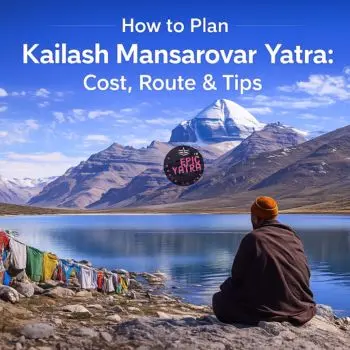
Planning the sacred journey of Kailash Mansarovar Yatra requires careful preparation, proper documentation, and understanding of various routes and costs involved. This comprehensive guide on how to plan Kailash Mansarovar Yatra covers everything from selecting the right Kailash Mansarovar Yatra package to preparing yourself physically and mentally for this life-changing spiritual journey.
Mount Kailash and Lake Mansarovar hold immense religious significance for Hindus, Buddhists, Jains, and followers of Bon religion. Located in the remote western region of Tibet, this pilgrimage demands thorough planning and preparation to ensure a safe and fulfilling experience.
The Kailash Mansarovar Yatra is not just a regular trip but a spiritual journey that tests your physical endurance, mental strength, and devotion. Mount Kailash stands at 6,638 meters above sea level, while Lake Mansarovar sits at an altitude of 4,590 meters, making it one of the highest freshwater lakes in the world.
The journey typically involves trekking around Mount Kailash (known as Kora or Parikrama), which covers approximately 52 kilometers and takes 2-3 days to complete. The highest point during this trek is Dolma La Pass at 5,630 meters, which presents significant challenges due to altitude and weather conditions.
For Hindus, Mount Kailash is considered the abode of Lord Shiva, while Lake Mansarovar is believed to be created by Lord Brahma. Buddhists regard it as the home of Buddha Demchok, and Jains believe their first Tirthankara attained liberation here. This multi-religious significance makes the yatra a truly unique spiritual experience.
When learning how to plan Kailash Mansarovar Yatra, understanding the different routes is essential. There are three main routes to reach Mount Kailash and Lake Mansarovar:
The Kathmandu route is the most popular and comfortable option for Indian pilgrims. A Kailash Mansarovar Yatra package from Kathmandu typically includes:
Journey Duration: 12-14 days
Distance: Approximately 1,200 kilometers from Kathmandu to Mount Kailash
Road Conditions: Better maintained roads compared to other routes
Border Crossing: Kodari-Zhangmu border (currently closed, alternative routes via Rasuwagadhi-Kerung)
Advantages: More comfortable accommodation options, better medical facilities en route
The journey from Kathmandu involves flying to Nepalgunj, then to Simikot, followed by a helicopter ride to Hilsa, and then continuing by road to Mount Kailash. This route offers stunning mountain views and relatively better infrastructure.
The traditional Indian route starts from various cities, with many pilgrims choosing a Kailash Mansarovar Yatra package from Lucknow:
Journey Duration: 18-20 days
Starting Points: Delhi, Lucknow, Haridwar, or Kathgodam
Route: Almora → Pithoragarh → Dharchula → Tawaghat → Gala → Budhi → Gunji → Kalapani → Lipulekh Pass → Taklakot → Mount Kailash
Altitude Gain: Gradual, allowing better acclimatization
Challenges: Longer duration, basic accommodation facilities
This route follows the ancient pilgrimage path and offers the traditional experience of the yatra. The journey includes trekking through beautiful Himalayan landscapes and crossing the Lipulekh Pass at 5,200 meters.
This newer route has become increasingly popular:
Journey Duration: 10-12 days
Starting Point: Gangtok, Sikkim
Route: Gangtok → Nathu La Pass → Lhasa → Mount Kailash
Advantages: Shortest route, good road conditions
Requirements: Special permits required for Sikkim and Tibet
Choosing the right Kailash Mansarovar Yatra package is crucial for a successful journey. Here are the main options available:
The Government of India, through the Ministry of External Affairs, organizes annual batches:
Cost: Approximately ₹1.8-2.5 lakhs per person
Duration: 19-20 days
Group Size: Limited to 60 pilgrims per batch
Facilities: Basic but reliable accommodation, medical support, experienced guides
Selection Process: Through application and lottery system
Various private companies offer different package options:
Cost Range: ₹2.5-4 lakhs per person
Duration: 12-14 days
Inclusions: Flights, accommodation, meals, permits, guides
Group Size: 15-25 people typically
Comfort Level: Higher comfort with better hotels and facilities
Cost Range: ₹1.8-3.5 lakhs per person
Duration: 18-22 days
Route: Traditional overland route
Physical Demand: Higher due to longer trekking sections
Experience: More traditional and spiritual
Cost Range: ₹2.2-4.2 lakhs per person
Convenience: Direct coordination from Hyderabad
Inclusions: Domestic travel to starting point, complete yatra package
Support: Local language support and coordinationFor those seeking premium comfort:
Cost Range: ₹4-7 lakhs per person
Features: Better accommodation, helicopter transfers, smaller groups
Duration: 10-12 days
Comfort Level: Maximum comfort with luxury hotels where available
Understanding the cost structure helps in how to plan Kailash Mansarovar Yatra effectively:
1. Package Fees
Government Yatra: ₹1.8-2.5 lakhs
Private Operators: ₹2.5-7 lakhs
Includes: Permits, accommodation, meals, transportation, guides
2. Personal Expenses
Shopping and Souvenirs: ₹10,000-20,000
Tips and Donations: ₹5,000-10,000
Personal Items: ₹15,000-25,000
Emergency Fund: ₹20,000-30,000
3. Pre-Yatra Expenses
Medical Check-up: ₹5,000-10,000
Insurance: ₹3,000-8,000
Gear and Equipment: ₹20,000-40,000
Fitness Training: ₹5,000-15,000
4. Documentation Costs
Passport: ₹1,500-3,500
Visa: ₹8,000-12,000
Permits: Usually included in package
Medical Certificates: ₹2,000-5,000
Book Early: Early booking often comes with discounts
Group Booking: Travel with friends or family for group discounts
Compare Packages: Research multiple operators
Off-Peak Season: Shoulder season travel can be cheaper
Government Yatra: Most cost-effective option
Proper documentation is essential when planning how to plan Kailash Mansarovar Yatra:
1. Passport
Validity: Minimum 6 months from travel date
Blank Pages: At least 4-6 blank pages
Condition: Good condition without damage
2. Chinese Visa
Type: Group Tourist Visa (L Visa)
Processing Time: 15-20 working days
Validity: Usually 30 days
Requirements: Passport, photos, application form, invitation letter
3. Medical Certificate
Fitness Certificate: From registered medical practitioner
ECG Report: For heart condition assessment
Blood Pressure: Normal BP certificate
Age Limits: Usually 18-70 years
4. Insurance
Travel Insurance: Mandatory for most packages
Coverage: Medical emergencies, evacuation, trip cancellation
High Altitude: Ensure coverage for high altitude activities
Tibet Travel Permit (TTP)
Issued by: Tibet Tourism Bureau
Required for: All foreign tourists entering Tibet
Processing: Handled by tour operators
Duration: Valid for specific dates and routes
Alien Travel Permit
Purpose: For visiting restricted areas
Areas: Mount Kailash and Lake Mansarovar region
Validity: Specific to your itinerary
Group Requirement: Must travel with registered guide
The high altitude and physical demands make preparation crucial for how to plan Kailash Mansarovar Yatra:
1. Cardiovascular Fitness
Recommended: 3-6 months of regular cardio exercise
Activities: Walking, jogging, cycling, swimming
Duration: 45-60 minutes daily
Intensity: Gradually increase over time
2. Strength Training
Focus Areas: Legs, core, shoulders
Exercises: Squats, lunges, planks, step-ups
Frequency: 3-4 times per week
Progressive: Gradually increase weights and repetitions
3. Altitude Training
High Altitude Exposure: If possible, visit high altitude areas
Simulation: Altitude training masks or chambers
Gradual Ascent: Allow time for acclimatization
Breathing Exercises: Practice pranayama and deep breathing
Complete Physical: 2-3 months before travel
Heart Health: ECG, stress test if recommended
Blood Work: Complete blood count, hemoglobin levels
Respiratory: Lung function tests if needed
Routine Vaccines: Ensure all routine vaccinations are current
Hepatitis A&B: Recommended for travel to the region
Japanese Encephalitis: Depending on season and route
Typhoid: Oral or injection form
Altitude Sickness: Diamox (acetazolamide) - consult doctor
Pain Relief: Paracetamol, ibuprofen
Digestive: Anti-diarrheal, probiotics
Personal Medications: Sufficient supply for entire journey
Proper packing is vital when planning how to plan Kailash Mansarovar Yatra:
Base Layer: Moisture-wicking thermal underwear
Insulating Layer: Fleece or down jacket
Outer Layer: Waterproof and windproof jacket
Quantity: Multiple sets for different weather conditions
Trekking Boots: Waterproof, broken-in, ankle support
Camp Shoes: Lightweight sandals or slip-ons
Socks: Wool or synthetic, multiple pairs
Gaiters: To keep snow and debris out
Hats: Warm beanie and sun hat
Gloves: Waterproof and insulated
Sunglasses: High UV protection
Scarves: Wind protection
Size: 60-80 liter capacity
Features: Internal frame, multiple compartments
Daypack: 20-30 liter for daily use
Rain Cover: Essential for weather protection
1. Sleeping Bag: Rated for -15°C to -20°C
2. Sleeping Pad: Insulated foam or inflatable
Pillow: Inflatable or compressible
Liner: Adds warmth and hygiene
Headlamp: LED with extra batteries
Flashlight: Backup lighting
Whistle: Emergency signaling
First Aid Kit: Personal medical supplies
Toiletries: Biodegradable soap, toothbrush, toothpaste
Wet Wipes: For quick cleaning
Hand Sanitizer: Alcohol-based
Toilet Paper: Sufficient supply
Sunscreen: SPF 50+ for high altitude
Lip Balm: With UV protection
Zinc Stick: For nose and exposed areas
After-sun Care: Aloe vera gel
Waterproof Pouch: For important documents
Copies: Multiple copies of all documents
Digital Storage: Scan documents to cloud storage
Emergency Contacts: Written list of important numbers
Best Timing is crucial when considering how to plan Kailash Mansarovar Yatra:
Weather: Most favorable weather conditions
Accessibility: All routes generally open
Temperature: Relatively warmer, though still cold at night
Visibility: Clear mountain views
Crowds: Higher number of pilgrims
Cost: Peak season pricing
Booking: Limited availability, advance booking essential
Weather: Spring conditions, some snow possible
Temperature: 5°C to 15°C during day, -5°C to -10°C at night
Crowds: Moderate
Conditions: Some high passes may still have snow
Weather: Summer conditions, best weather
Temperature: 10°C to 20°C during day, 0°C to -5°C at night
Crowds: Peak season
Monsoon: Possible rain in lower altitudes
Weather: Late summer, generally good
Temperature: Similar to June-July
Crowds: High
Conditions: Occasional afternoon thunderstorms
Weather: Post-monsoon, clear skies
Temperature: 5°C to 15°C during day, -5°C to -15°C at night
Crowds: Moderate to high
Visibility: Excellent mountain views
Accessibility: Many routes closed due to snow
Weather: Extremely cold temperatures
Facilities: Limited accommodation and services
Experience: More challenging but fewer crowds
Understanding accommodation and food helps in how to plan Kailash Mansarovar Yatra:
Standard: Basic rooms with shared facilities
Heating: Limited or no heating
Electricity: Intermittent power supply
Comfort: Basic but adequate
Location: Remote areas where no permanent structures exist
Facilities: Shared dining and bathroom tents
Warmth: Sleeping bags essential
Experience: Closer to nature
Availability: Only in major towns like Saga, Darchen
Comfort: Better facilities than guest houses
Cost: Higher rates
Booking: Usually included in package
Breakfast: Usually bread, eggs, porridge, tea/coffee
Lunch: Rice, dal, vegetables, chapati
Dinner: Similar to lunch with variations
Quality: Basic but nutritious
Vegetarian: Widely available
Special Diets: Limited options for special dietary requirements
Water: Bottled water recommended
Snacks: Bring personal snacks for energy
Cooked Food: Stick to well-cooked, hot food
Raw Items: Avoid raw vegetables and fruits
Water: Only bottled or properly treated water
Street Food: Avoid local street food
Safety is paramount when planning how to plan Kailash Mansarovar Yatra:
Gradual Ascent: Don't rush to high altitudes
Rest Days: Take adequate rest at intermediate altitudes
Hydration: Drink plenty of water
Avoid Alcohol: No alcohol or smoking
Mild Symptoms: Headache, nausea, fatigue
Serious Symptoms: Severe headache, vomiting, confusion
Emergency Signs: Difficulty breathing, chest tightness
Action: Descend immediately if symptoms worsen
Medication: Consider altitude sickness medication
Slow Ascent: Follow proper acclimatization schedule
Fitness: Maintain good physical condition
Listen to Body: Don't ignore warning signs
Layer System: Proper clothing layers
Waterproof Gear: Protection from rain and snow
Emergency Shelter: Know shelter locations
Weather Updates: Stay informed about weather conditions
Stay with Group: Never wander off alone
Communication: Keep emergency contacts handy
Local Guides: Follow guide instructions
Emergency Procedures: Know evacuation procedures
Insurance: Comprehensive travel and health insurance
Emergency Contacts: Medical facilities and evacuation services
Medication: Carry adequate personal medications
Regular Check-ups: Monitor your health throughout the journey
Understanding the spiritual aspect enhances how to plan Kailash Mansarovar Yatra:
Lord Shiva's Abode: Mount Kailash is considered Lord Shiva's residence
Cosmic Center: Believed to be the center of the universe
Purification: Lake Mansarovar water is considered purifying
Liberation: Completing the yatra brings spiritual liberation
Buddha Demchok: Tantric meditational deity resides here
Enlightenment: Place of spiritual awakening
Pilgrimage Merit: Accumulation of positive karma
Sacred Landscape: Every aspect has spiritual significance
Distance: 52 kilometers around Mount Kailash
Duration: 2-3 days typically
Direction: Clockwise for Hindus and Buddhists
Significance: Each complete circuit brings spiritual merit
Lake Mansarovar: Traditional holy bath
Timing: Early morning preferred
Temperature: Extremely cold water
Preparation: Mental and physical preparation needed
Sacred Sites: Multiple prayer points along the route
Offerings: Flowers, incense, prayers
Meditation: Quiet contemplation and prayer
Respect: Maintain reverence for local customs
Planning the Kailash Mansarovar Yatra requires careful consideration of multiple factors including route selection, physical preparation, documentation, and spiritual readiness. Whether you choose a Kailash Mansarovar Yatra package from Kathmandu, Lucknow, or Hyderabad, thorough preparation is key to a successful and fulfilling journey. This sacred pilgrimage offers not just physical challenges but profound spiritual experiences that can transform your life. Start your preparation early, choose the right package for your needs, and embark on this incredible journey with proper planning and an open heart.
Remember that this yatra is not just a trip but a spiritual quest that requires respect, preparation, and devotion. With proper planning and the right mindset, your Kailash Mansarovar Yatra can become one of the most meaningful experiences of your lifetime.