

One of the holiest pilgrimages in India, Amarnath attracts nearly all devotees. The holy Amarnath Cave sits at an altitude of 14,000 ft in a hilly region, offering pilgrims a stunning snowy backdrop. Nestling in the high Himalayas in the beautiful state of Jammu and Kashmir, it houses a natural Shiva Linga. There are several pilgrimage routes to the Amarnath Cave, and some places en route are sacred. One such importance of Pissutop, situated at a high altitude, is providing spectacular vistas of landscape, relaxation and refreshment for devotees in Amarnath Yatra before they journey towards the difficult route. To know the significance of Pissutop during Amarnath Yatra will help pilgrims to organise and manage his/her Amarnath Yatra.
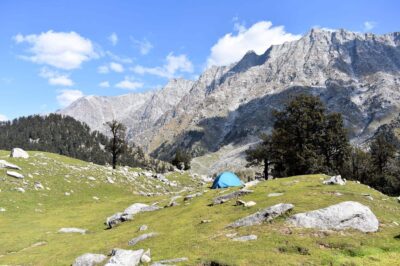
Pissutop is a beautiful meadow located in the Udhampur district of Jammu and Kashmir at over 10,000 feet above sea level. The place is surrounded by snow-clad mountains, lush green valleys and high meadows, being an important destination for the devotees visiting the holy shrine of Amarnath Cave. Its perfect location at the crossroads between many trekking paths makes it an excellent place for a break and acclimatisation as well as some reflection.
Pilgrims frequently visit Pissutop to relax and rejuvenate after enjoying the enchanting views of the Himalayas, which also prepares them for the physically challenging stretches ahead. This roadhead is also a place from where yatri can prepare mentally for the spiritual journey in the Amarnath Cave.
Here is why a Pissutop holds importance in the Amarnath Yatra package:
Acclimatisation:The journey to the Amarnath Cave is a high-altitude trek and may go above 12,000 feet at some places. Altitude sickness may also result from critically short exposure to higher altitudes. Pissutop is an important stop for the pilgrims to acclimatise, hydrate and recover their strength. Avoiding altitude-related problems: the more time you spend here, the more it helps you to acclimatise and makes your trip safer.
Rest and Rejuvenation:The trek to the sacred cave is physically strenuous. Pissutop has the basic facilities and resting points for pilgrims to freshen up, eat or prepare for the next stage of their trek. It is said that many pilgrims felt mentally and physically rejuvenated after resting here.
Scenic Beauty and Photography Opportunities:Pissutop is known for its stunning views of the Himalayas, green and enchanting valleys and sparkling rivers. Photographers and nature enthusiasts can take breathtaking pictures of the landscape – a memory that will remain with them forever. The quiet surroundings provide an ideal setting for meditation and contemplation.
Spiritual Reflection:Aside from its physical importance, Pissutop is held sacred. The tranquil atmosphere provides pilgrims with an opportunity to meditate, pray, and prepare themselves for their arrival at the holiest home of Lord Shiva. This period of self-reflection adds to the spiritual quality.
Some of the famous tracks leading to the Amarnath Cave that either cross or run close to Pissutop offer differentiated trekking experiences:
From Jammu:The Jammu route is preferred to be followed by all because of its easy access and convenience. Pilgrims trek along the traditional ancient route all the way to Amarnath Yatra from Jammu to Pahalgam, then Chandanwari and Pissutop, and reach the Holy Cave. Travellers, on their journey, enjoy picturesque views of valleys, forests and the river, thus making for an atmosphere of tranquillity and religiosity.
From Patnitop:Another base for pilgrims is Patnitop. The path winds through green hills, thick woods and peaceful meadows. Pissutop serves as an important base camp for trekkers on this route, enabling them to acclimatise and enjoy the landscape. During this two-hour trek, pilgrims are known to stop at the Nag Temple and Posh Patri near the shrine.
From Baltal:The Baltal route is shorter and preferred by those who want to reach Amarnath as quickly as possible. Pissutop is accessible to pilgrims by hiking or helicopter service. Helicopter passengers have a bird's-eye perspective of the unspoiled terrain, and those exploring by foot get to deal with the classic obstacles of hiking along rugged paths strewn with wildflowers and rushing streams.
In order to get the most out of your stop at Pissutop, here are a few tips:
Acclimatise as much as you can: spend a few days to get used to high altitude before you tackle your hike. Whatever you do, get enough water and don’t overexert suddenly.
Essentials to pack:Bring warm clothing, snacks, water and basic first aid supplies. The weather can be fickle, and the hike is strenuous.
Make Use of the Facilities Take a short rest at the tent (safe area) or designated spot to recover HP. Take a break at Pissutop, an important stop for physical and spiritual preparation.
Respect the Nature:Pissutop is a virgin place. Do not spoil its tranquillity and landscape with trash; just stay in accordance with local regulations.
Photo Ops:Make sure to bring your camera or smartphone! Sunrises and sunsets at Pissutop are pretty amazing; photos will do no justice!
Pissutop is important as a resting and acclimatisation place. Its elevation and peaceful environment offer pilgrims a chance to recharge, prepare mentally, and revitalise spiritually before undertaking the gruelling journey ahead.
Early tents, resting and refreshments are available. Aerial views are also given by helicopter services for anyone wanting a quick tour.
Can we reach Pissutop on foot or by road? With a moderate level of fitness required for trekking, pilgrims can rest and acclimatise before marching on to higher altitudes.
How many hours is ideal to stay there during rest/acclimatisation? 1-2 hours would be good enough, which will provide you sufficient time for resting, acclimatising and sightseeing too. The calculations are based on the pilgrims’ condition and pace.
Absolutely! You can enjoy great photography of the panoramic views of the Himalayas and the valleys with flowing streams.
Apart from the logistical role, there is spiritual haven in Pissutop. It is common for pilgrims to stop by and pray or meditate, to spend a few moments in quiet contemplation of their journey. Surrounded by natural beauty and a spiritual vibe, Baltal is a peaceful refuge which restores body and soul before the final climb to the Amarnath cave.
Lots of followers will stop to catch their breath and find the strength they need for the difficult times at Coast Grove. It’s more than just a roadside pit stop — it also serves as a spiritual destination on the way to Lord Shiva’s home.
To have a safe and rewarding time at Pissutop, and beyond that.
Group Travel: Friends who trek together stay safe together and an organise group or guided tour always helps in achieving that.
Hydration: Make sure you are drinking enough water to offset high altitude effects.
Dress Right:Have the right gear, i.e., trekking shoes, warm or layered clothes and walking sticks to make your walk easier.
Stay the Course: Stay on marked trails and avoid veering off path.
Listen to Guides – Local guides have important advice about safety and acclimatisation.
There’s a lot of importance attached to Pissutop in Amarnath Yatra. Nestling in the lap of the Himalayas, it is a place for pilgrims to retire after preaching and teaching. Pissutop provides a simple logistic arrangement and enriches devotees spiritually, helping them acclimatise for the final trek to the holy Amarnath Cave.
Whether you embark on your Amarnath yatra from Mumbai, Pahalgam, Patnitop, or Baltal. Pissutop is an important halting point that makes the pilgrimage more meaningful and rewarding. Pilgrims who slow down and take in the tranquillity at this stop often return home with a more satisfying, memorable and spiritually rich experience.
While organising your Amarnath Yatra Package 2026, don’t forget to add Pissutop to the list. And it is where nature, destination and sacrifice combine to offer a once-in-a-lifetime experience leading up to the abode of Lord Shiva. Book a package with Epic Yatra today.